














How to Choose PU Leather for Shoe Uppers
Compare shoe components, backing, thickness and physical samples before choosing PU upper materials. Use this practical footwear sourcing checklist.
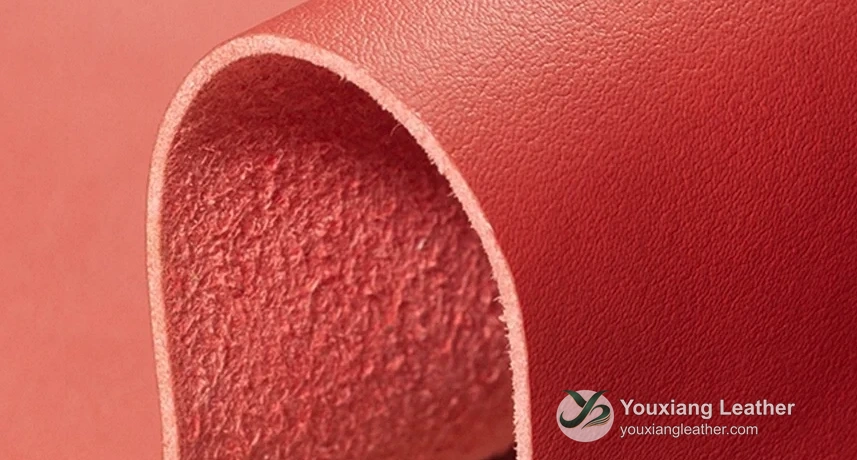
Start with the component, not the material name
For a PU shoe upper, begin with the part you are making, its construction and the sample you need to match. Then compare the surface, backing, thickness, hand feel and processing requirements. A color match alone does not establish that two materials will work in the same shoe.
At Youxiang Leather, we use the buyer’s reference and intended component to compare candidate roll materials from our Jinjiang shop. A material selected for a stitched overlay may need a different structure from a flexible panel or a lining. The final choice belongs with your sample approval and footwear development checks.
Prepare a component-based specification
A useful specification explains what the material must do in your design. When a requirement has not been decided, mark it as open rather than borrowing a number from an unrelated product.
| Selection point | What to send or confirm |
|---|---|
| Shoe component | Identify the vamp, quarter, overlay, heel panel, tongue cover or other part. Add a component drawing when available. |
| Construction | Show the face, backing and cut edge. Confirm any lamination, reinforcement or additional layer required by your design. |
| Thickness and feel | Send the target thickness and tolerance, or a physical reference. Note the required softness, body and flexibility. |
| Assembly | Describe stitching, folding, perforating, bonding or other operations that the selected sample must go through. |
| Approval criteria | Share your customer specification, test method and target where applicable. A material-family name is not a test result. |
Compare the three PU sourcing groups
Microfiber PU leather
Our microfiber PU leather collection is a starting point for comparing microfiber-based constructions. Check the actual backing, cut edge, surface and hand feel against your shoe component. Do not assume that every article in the collection has the same thickness or performance.
Imitation microfiber-backed PU
We list imitation microfiber-backed PU separately. A microfiber-like appearance or feel on the back does not establish the same fiber structure as a microfiber PU material. Ask for construction details and compare a physical sample before treating the two as substitutes.
Stretch PU
When a design needs give, compare stretch PU options. Confirm the stretch direction, recovery, backing and behavior after your intended assembly. Pulling a swatch by hand can help you describe it, but it does not replace an agreed test or a trial in the shoe.
These are sourcing groups, not universal quality grades. The synthetic footwear materials in these collections are not genuine leather; construction, coating and backing vary by the selected article.
Look beyond a similar surface
For an initial comparison, photograph the face, back and cut edge in clear light. Include the material or color-card reference so the supplier can locate the same candidate again. A surface grain describes the visible pattern; it does not identify the backing.
In a sample review, compare the same component and assembly conditions. A visually similar replacement can still need a separate trial for cutting, folding, stitching or bonding. Record the exact sample reference and the conditions used so a later order is tied to what was approved.
Confirm color and stock separately
Screen images are useful for shortlisting, but lighting, camera settings and displays can change how a color looks. Use a physical color reference and record the color number and finish together.
Youxiang Leather offers in-stock options across its three core categories and maintains more than 1,000 in-stock color references across its collections. Confirm the specific material code, color, thickness and available quantity before ordering. A color card does not mean every specification is available at all times.
Approve the sample before the order
- Shortlist the candidate construction for the intended shoe component.
- Confirm the sample reference, color, thickness and any required backing.
- Evaluate the sample in your development process and agree on any testing.
- Confirm quantity, usable width, roll terms, MOQ and the available stock or production route.
- Agree on courier charges and delivery timing for that selection. Material samples and custom sampling from Youxiang are free. The buyer pays shipping.
Lead time is confirmed after the material, color, quantity and sample requirements are agreed. Required test results or chemical documentation must also be confirmed for the selected material.
Continue with our shoe upper material options, or send a reference through material matching.
Use a separate brief for linings and stretch parts
A material shortlisted for an upper panel is not automatically approved for a collar or tongue lining. Identify whether the piece is a visible tongue cover, an inside lining or another flexible panel, and state the layers, stitching and lamination it will receive.
Continue with PU material selection for shoe linings for an inside component, or the stretch PU assembly checklist when direction of give and recovery matter. Keep approval tied to the actual sample and intended shoe construction.
Have a material reference to match?
Send the shoe component, clear face, backing and edge photos, your color reference and estimated quantity.
Related guides
PU Shoe Uppers Tearing Along Stitch Lines
Check PU upper seam failures by separating thread breakage, material tear and yarn slippage, then plan comparable sewing trials and suitable testing.
Read guideHow Footwear Buyers Should Read a PU Hydrolysis Test Report
A PU hydrolysis test report is useful when you can connect its result to the material you intend to buy and the requirement your shoe must meet. Before approving a coated upper material, check four things: which sample was tested, how it was aged, what was evaluated afterwards, and which acceptance criteria were applied.
Read guide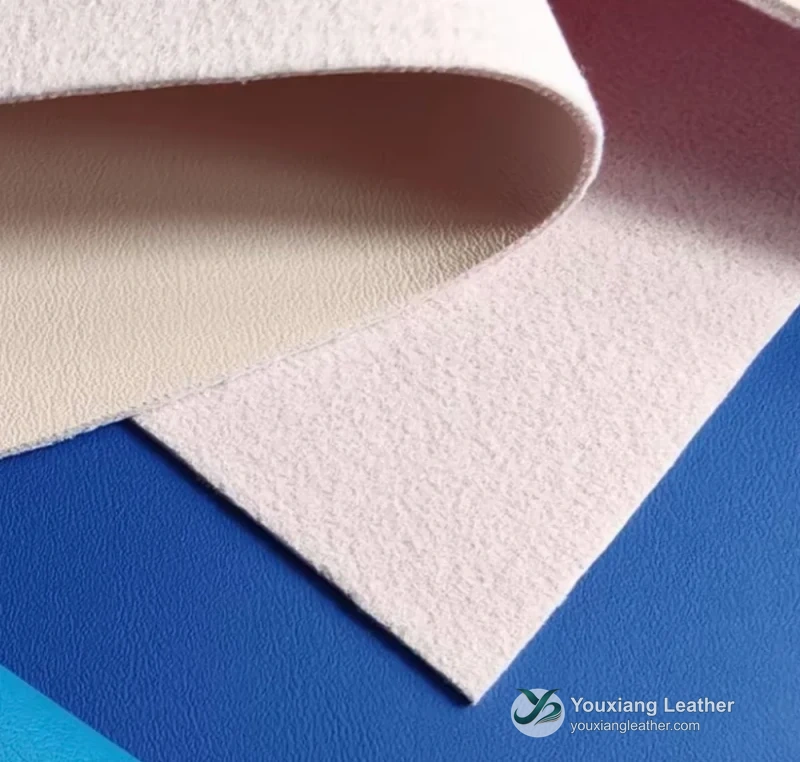
Microfiber PU vs Imitation Microfiber PU
Compare microfiber PU and imitation microfiber-backed PU using real sample photos, construction questions and a practical quotation checklist.
Read guide