







Imitation Microfiber-Backed PU
In-stock Imitation Microfiber-Backed PU options for footwear sourcing in Jinjiang. This is PU roll material with a microfiber-look backing, listed separately from microfiber PU leather. Confirm the material code, color, thickness and available quantity; compare the backing and edge on the specific sample for your shoe component.
DE-7 is a pattern reference, not a verified fiber specification. Review the material comparison and surface, backing and structure guide before approving a substitute.
76 color cards
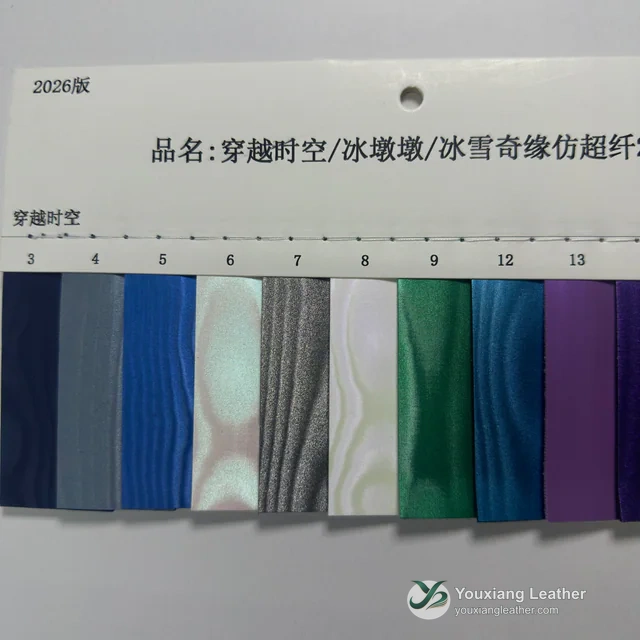
Mixed Pattern Color Card
YX-001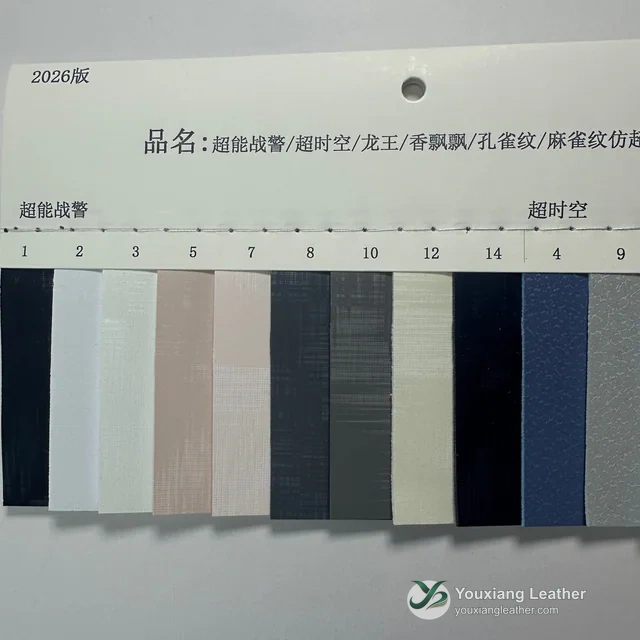
Mixed Pattern Color Card
YX-002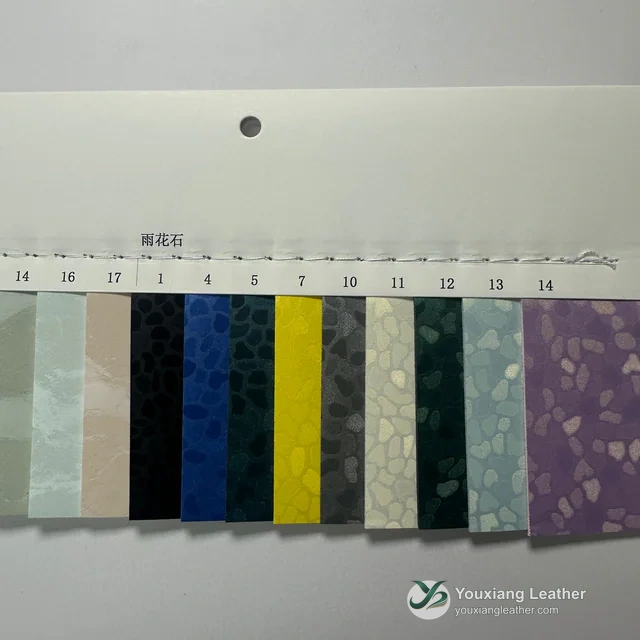
Mixed Pattern Color Card
YX-003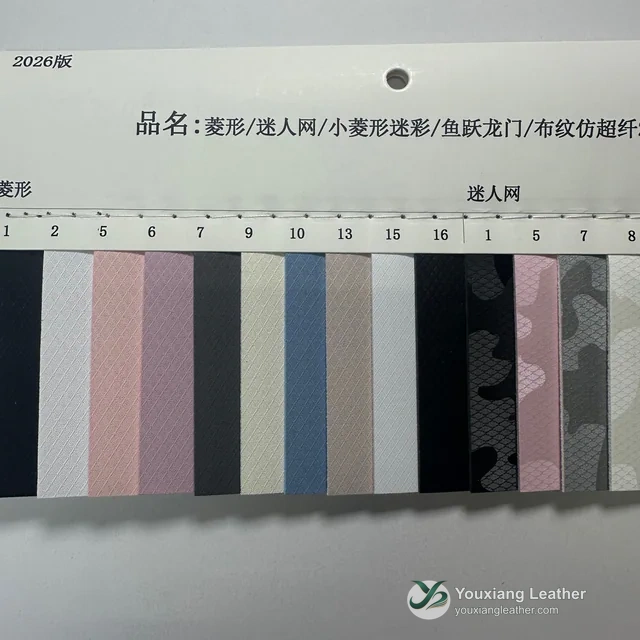
Mixed Pattern Color Card
YX-004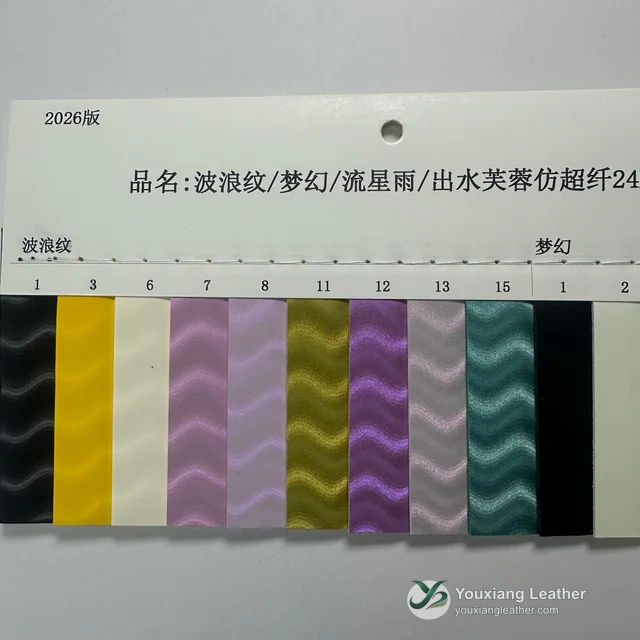
Mixed Pattern Color Card
YX-005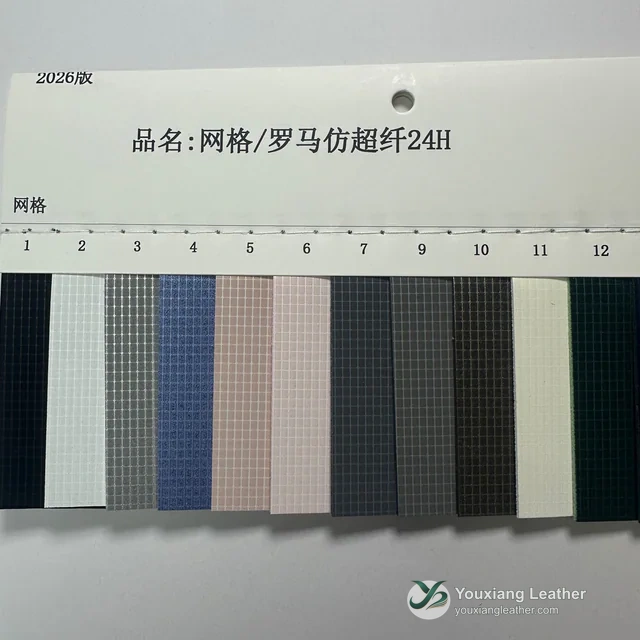
Mixed Pattern Color Card
YX-006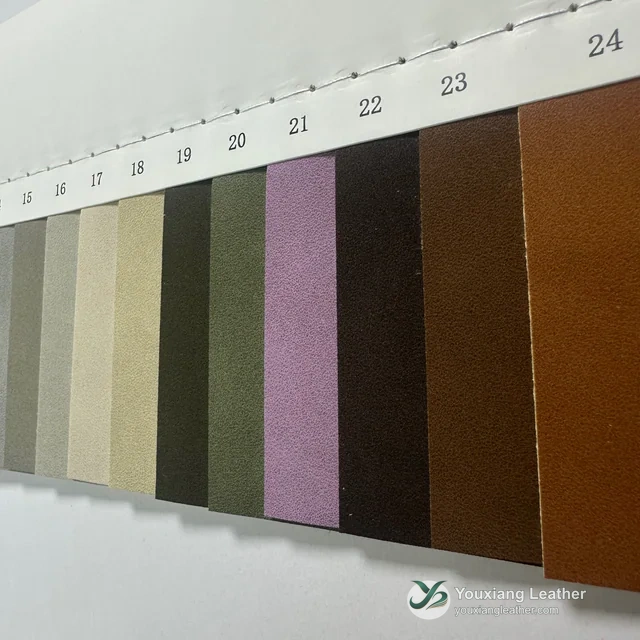
Zhanying Design
YX-007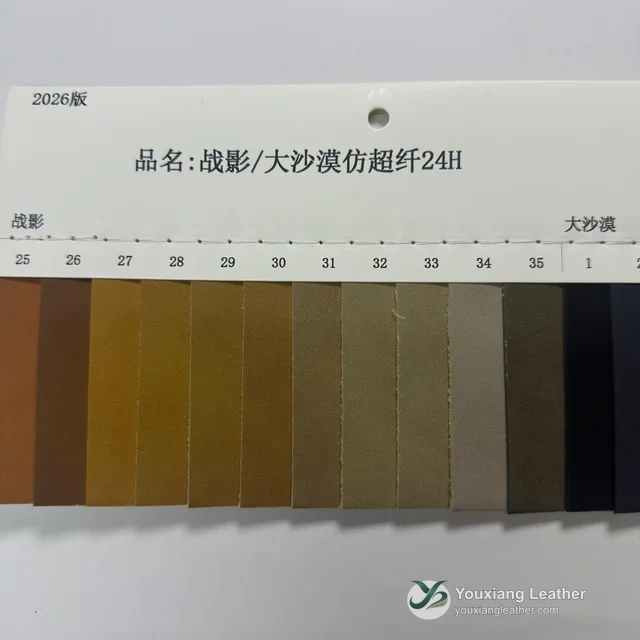
Mixed Pattern Color Card
YX-008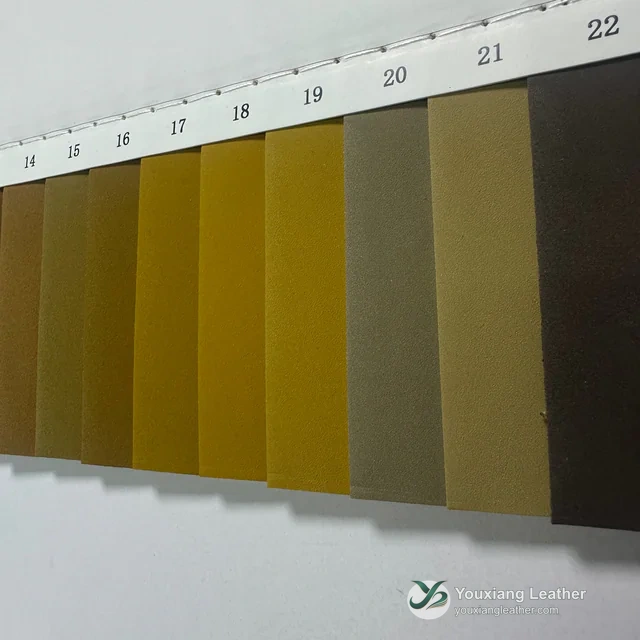
Martin Directional Nap
YX-009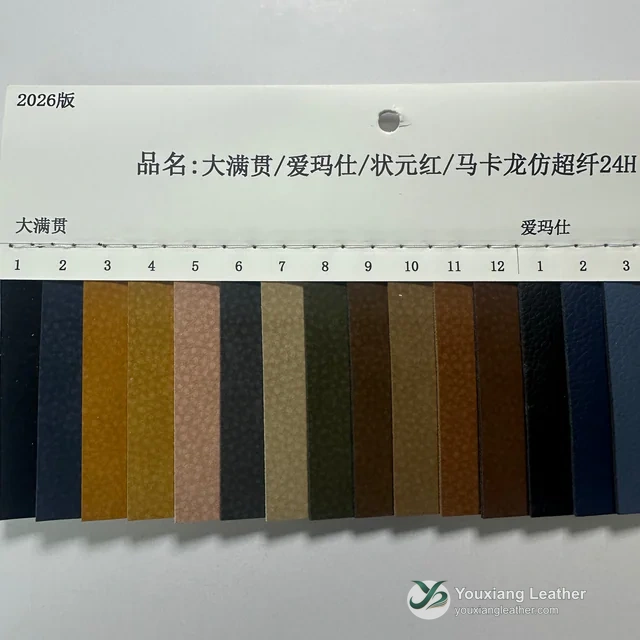
Mixed Pattern Color Card
YX-010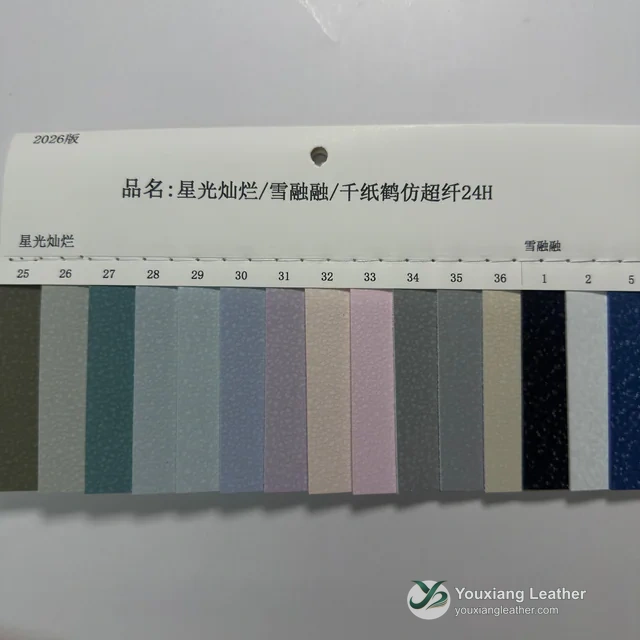
Mixed Pattern Color Card
YX-011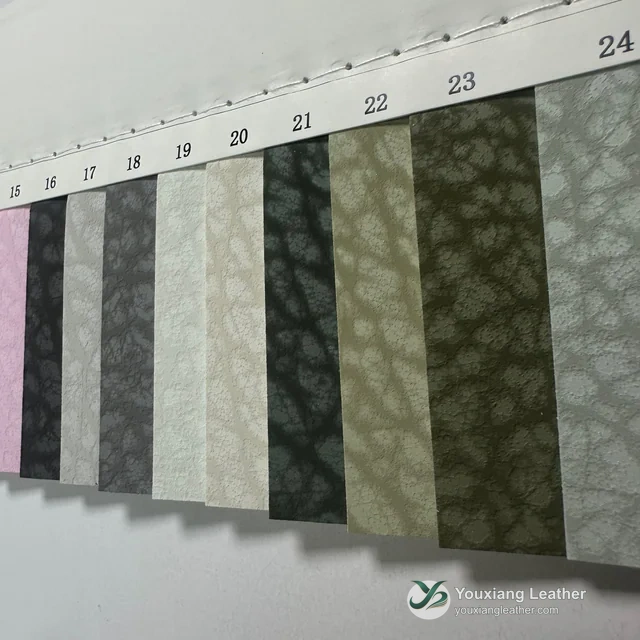
Elephant Grain
YX-012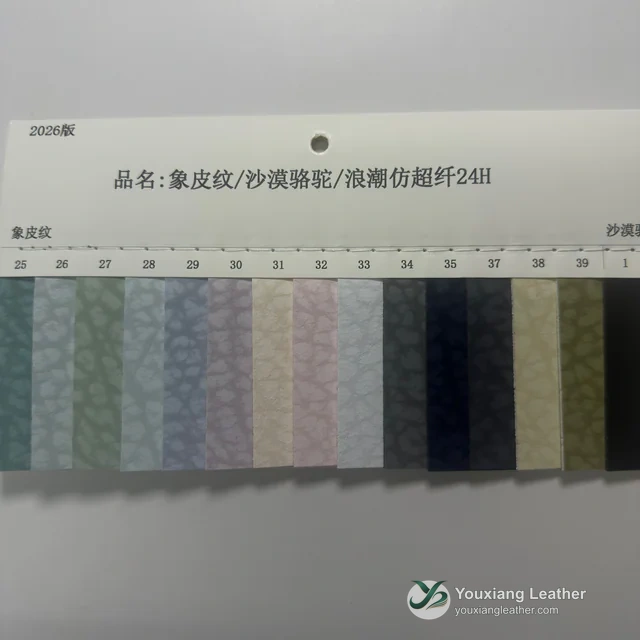
Mixed Pattern Color Card
YX-013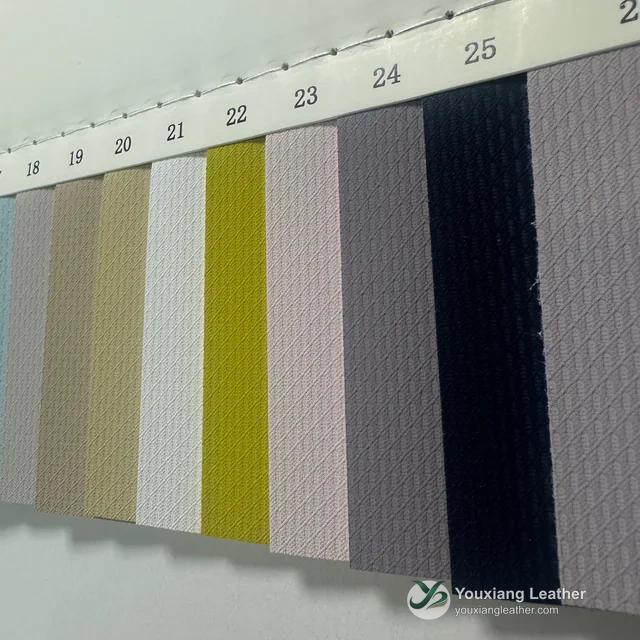
Pattern C14
YX-014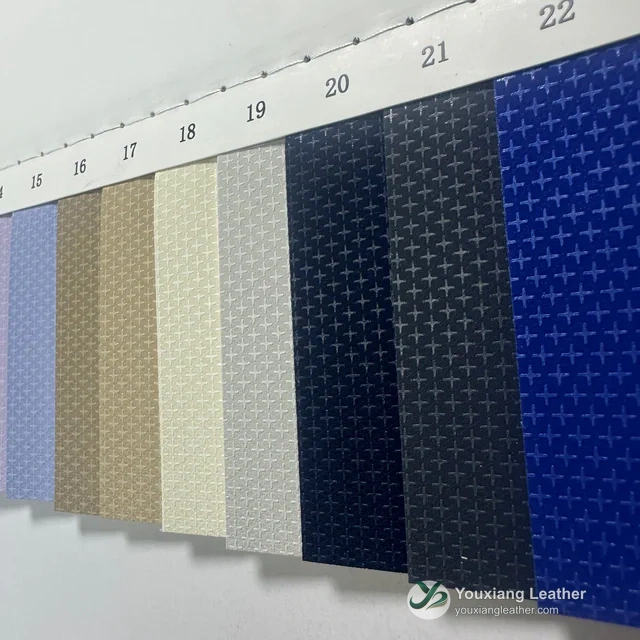
Mars Grain
YX-015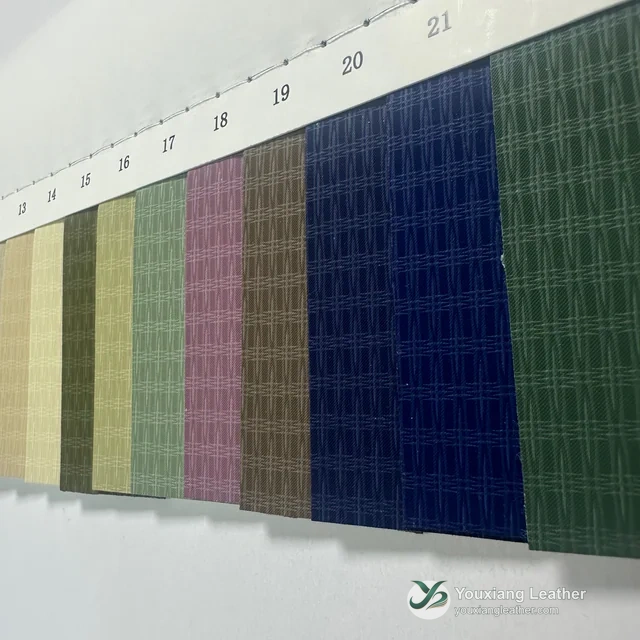
Pattern C16
YX-016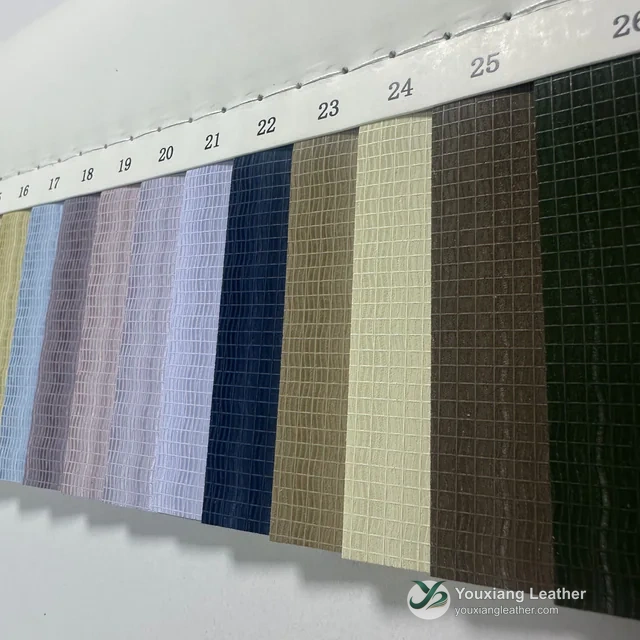
Longyan Design
YX-017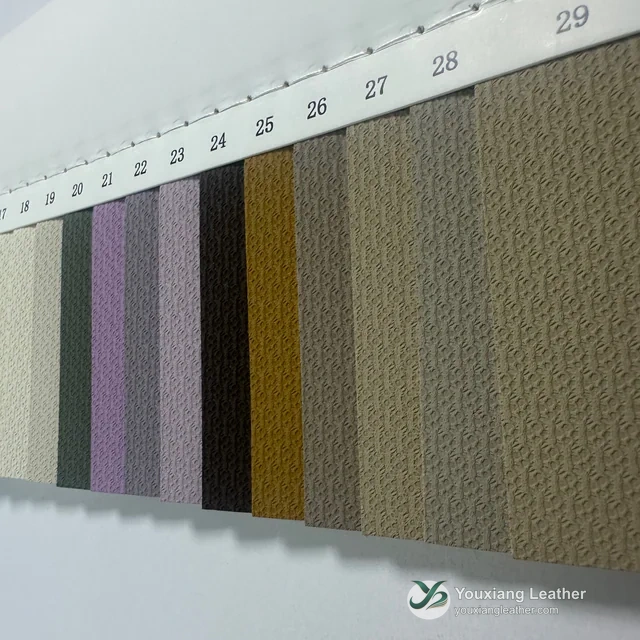
Echo Design
YX-018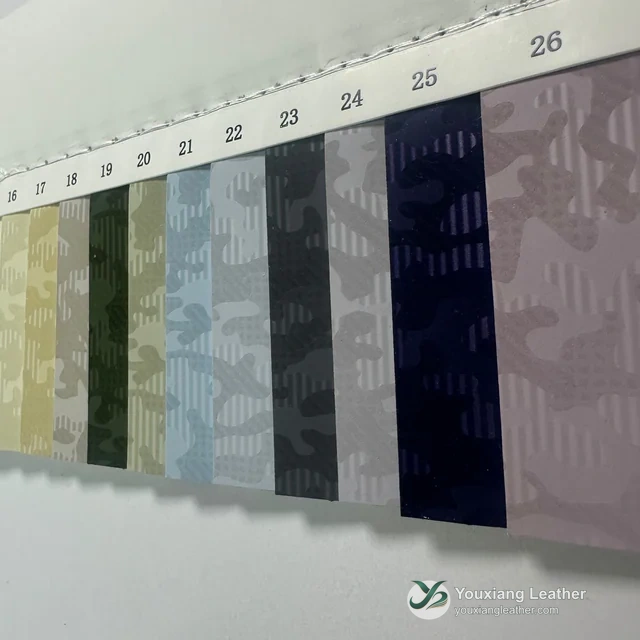
Michao Design
YX-019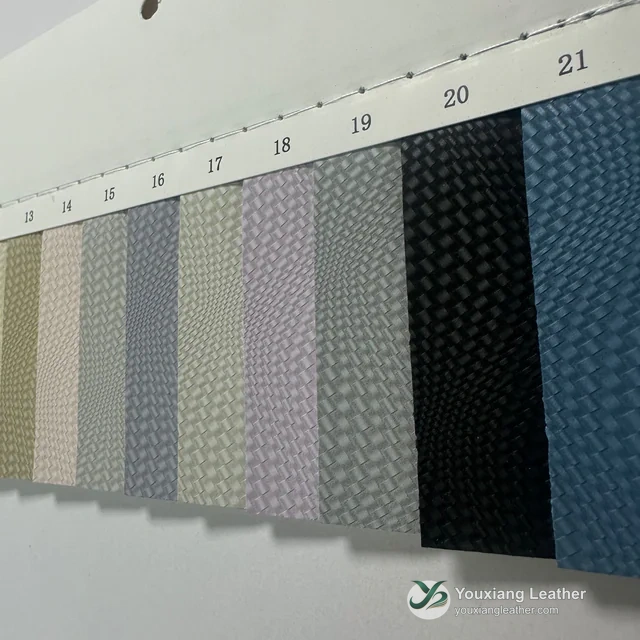
Diwang Design
YX-020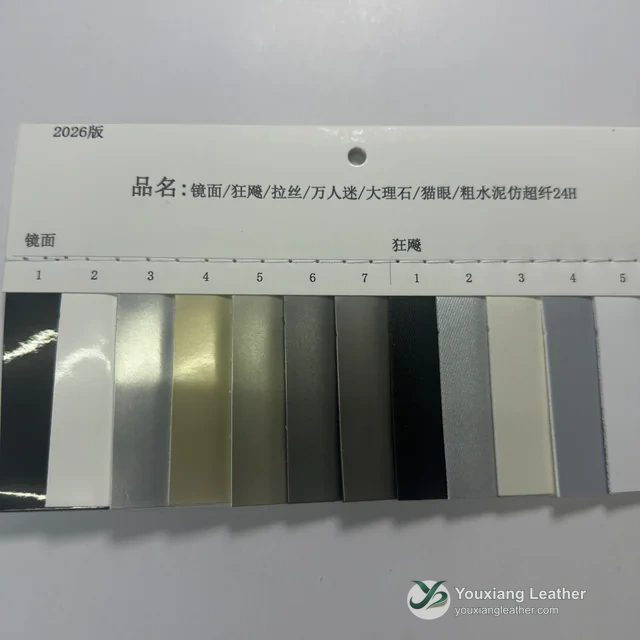
Mixed Pattern Color Card
YX-021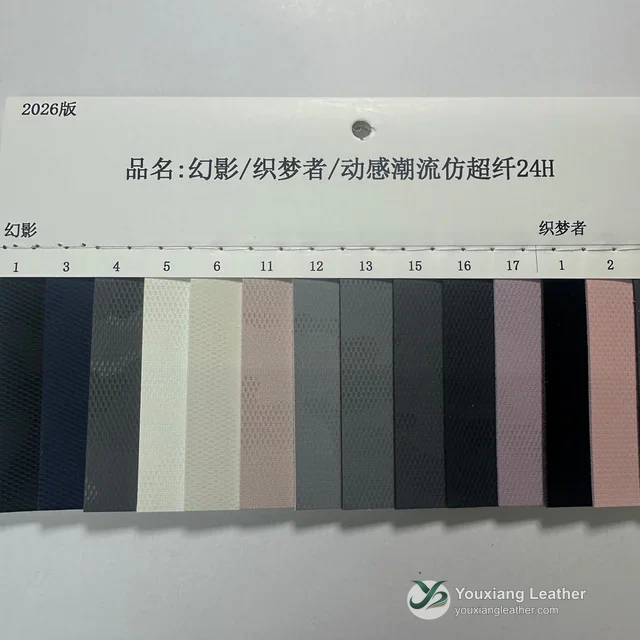
Mixed Pattern Color Card
YX-022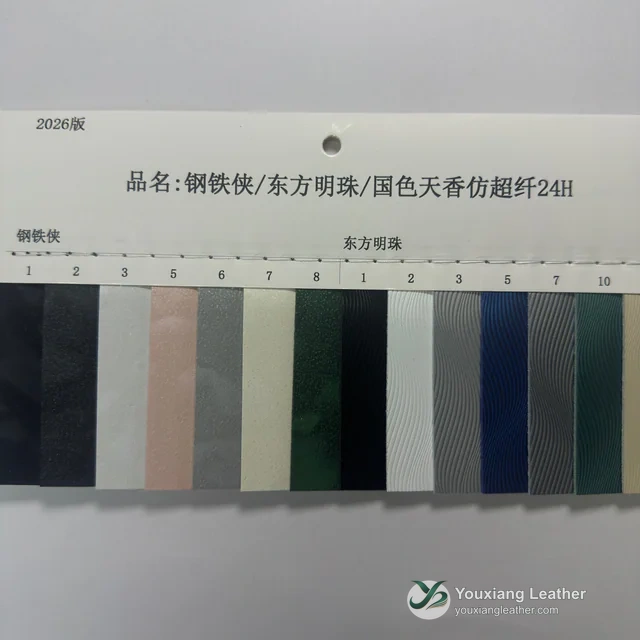
Mixed Pattern Color Card
YX-023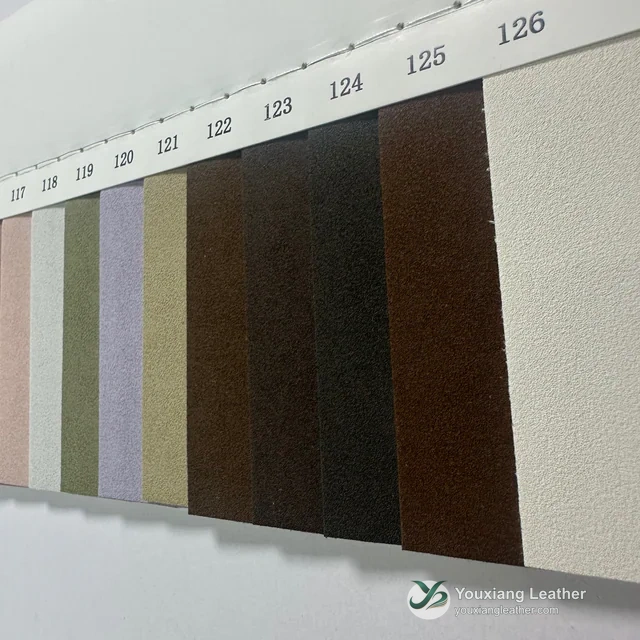
New Nubuck-Look Finish
YX-024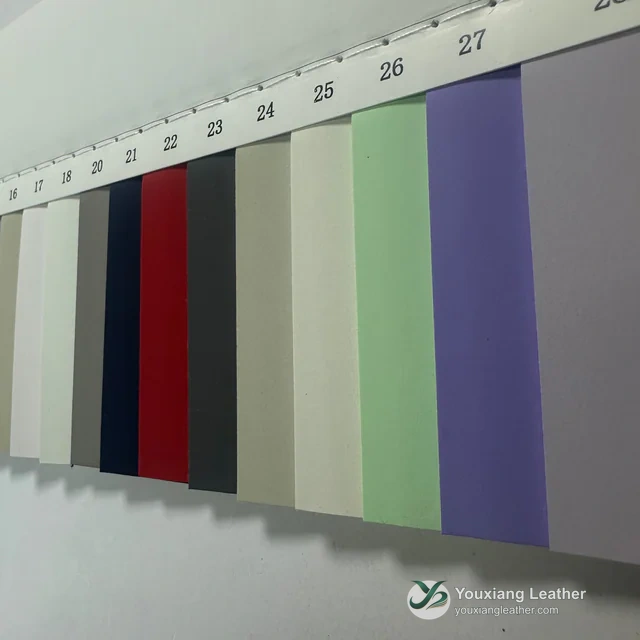
Smooth Finish
YX-025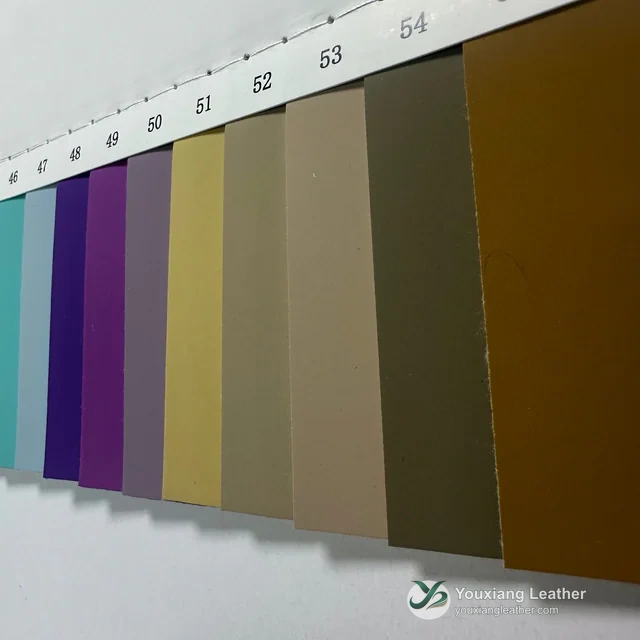
Smooth Finish
YX-026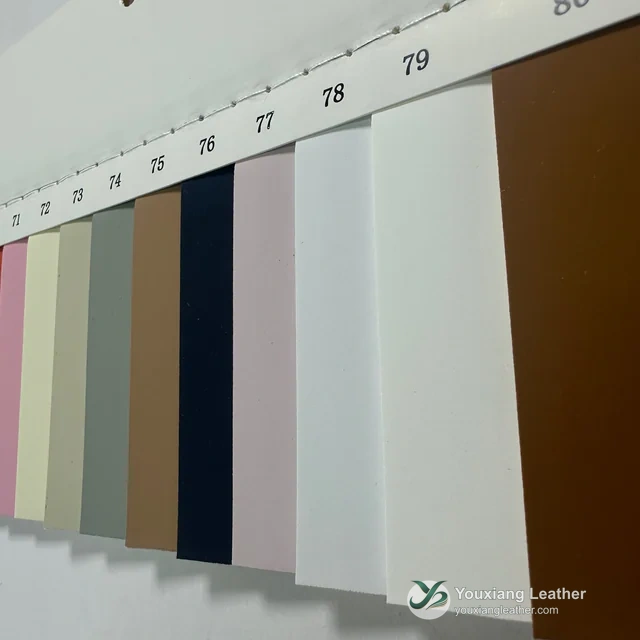
Smooth Finish
YX-027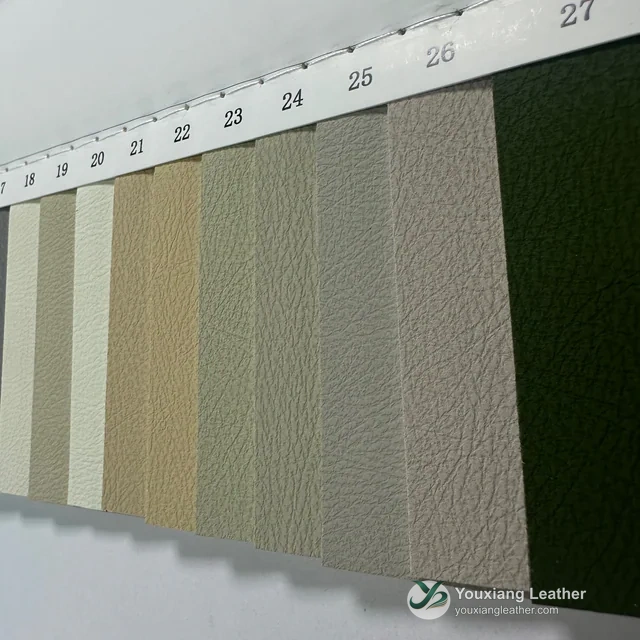
Feihu Design
YX-028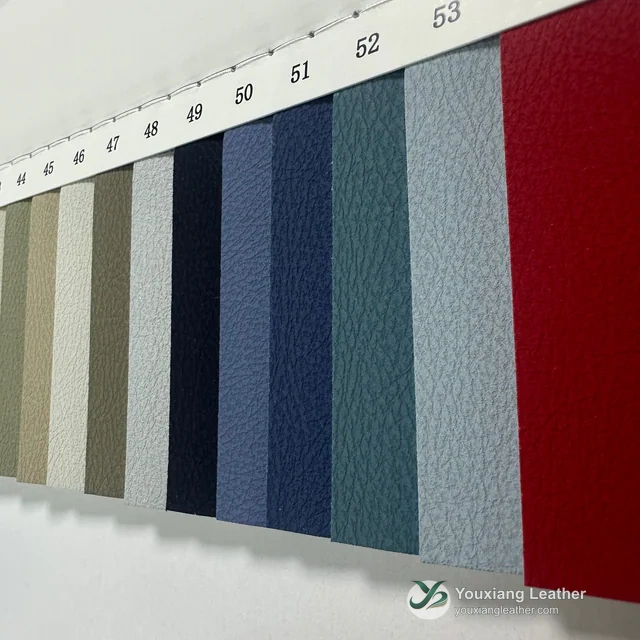
Feihu Design
YX-029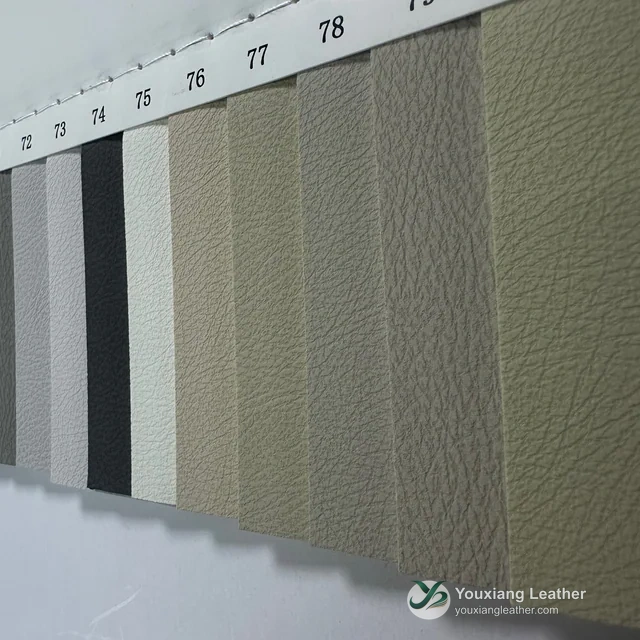
Feihu Design
YX-030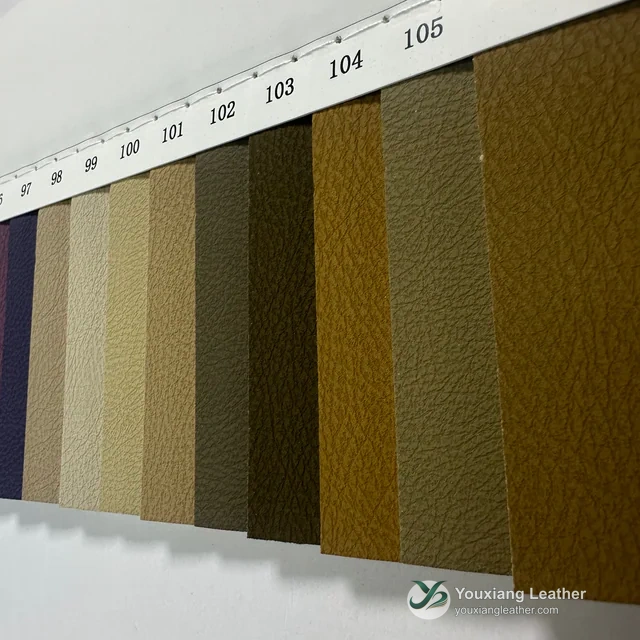
Feihu Design
YX-031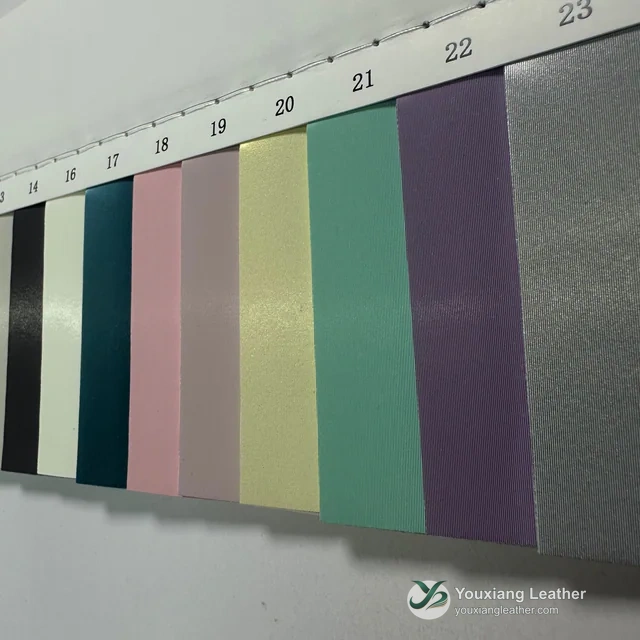
Bingtang Xueli Design
YX-032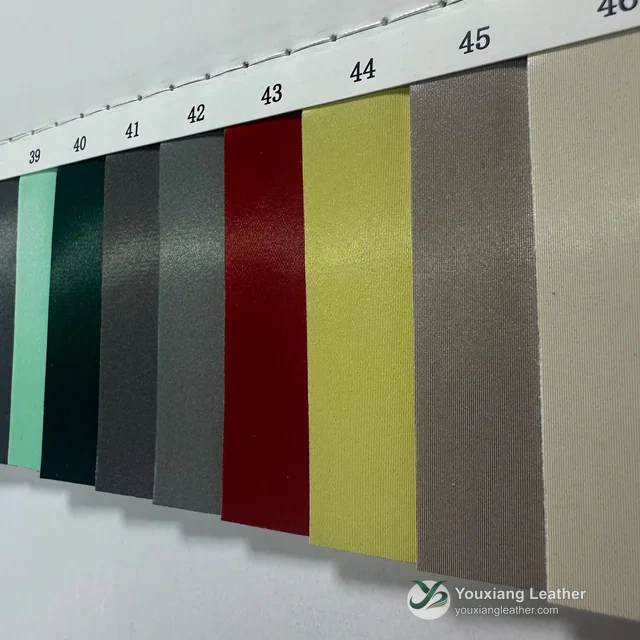
Bingtang Xueli Design
YX-033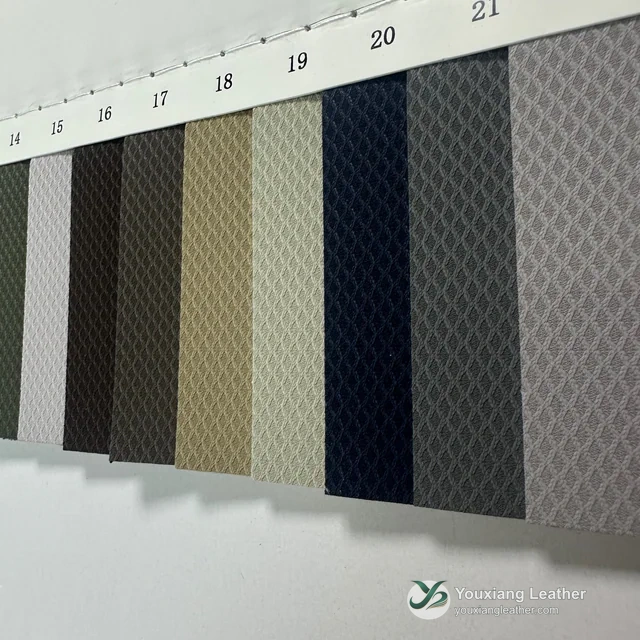
Dandelion Design
YX-034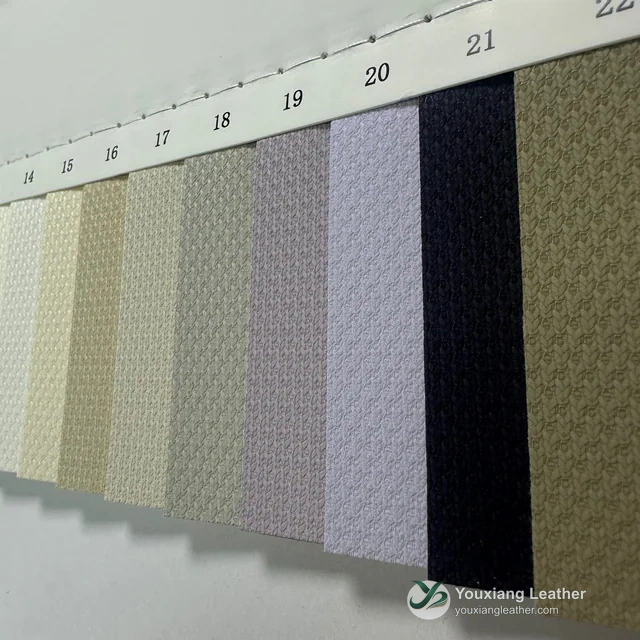
Maple Leaf Design
YX-035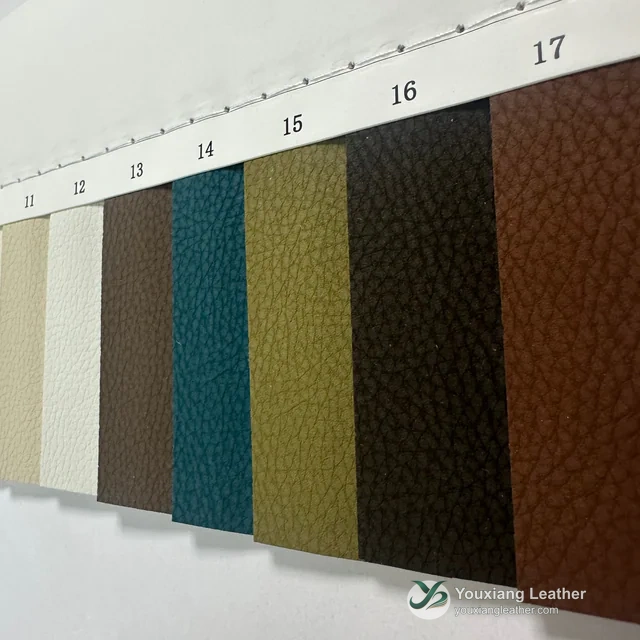
Feifan Design
YX-036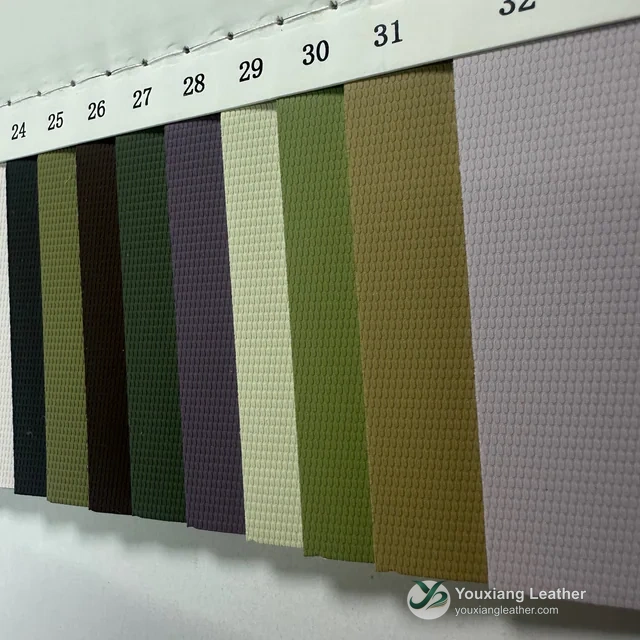
Fine Rice Grain
YX-037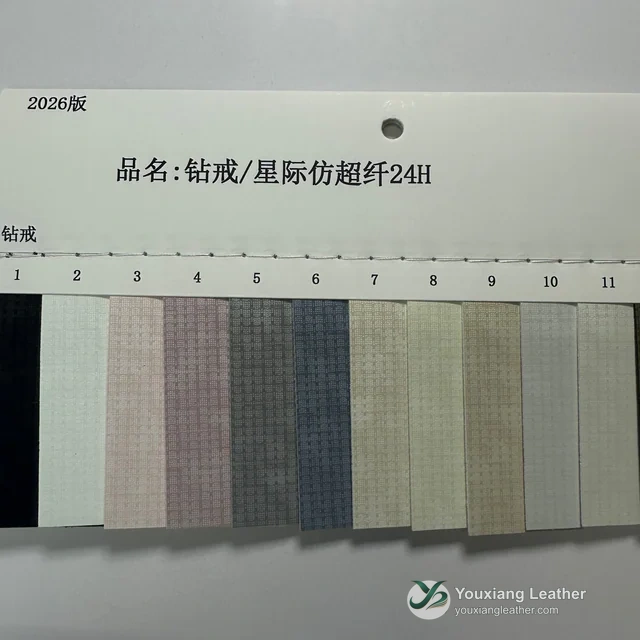
Mixed Pattern Color Card
YX-038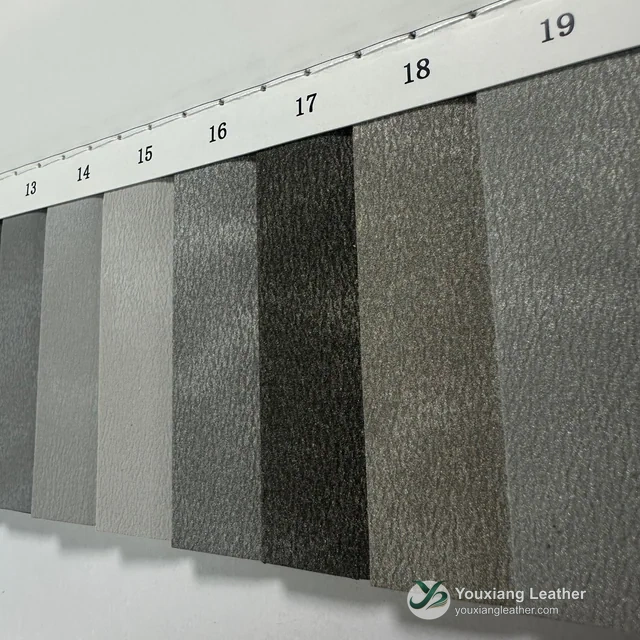
Daolang Design
YX-039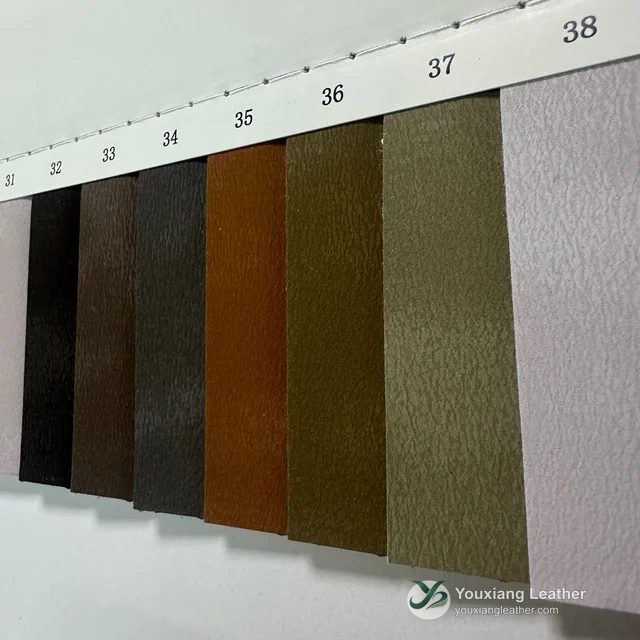
Daolang Design
YX-040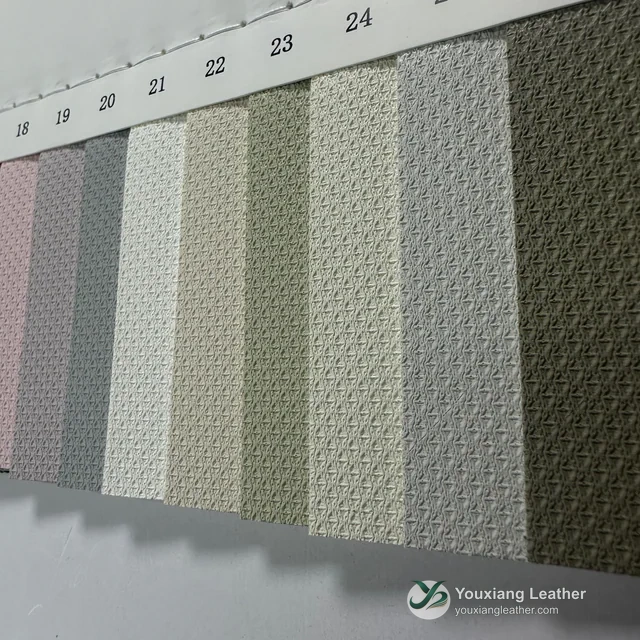
New Tianwang Design
YX-041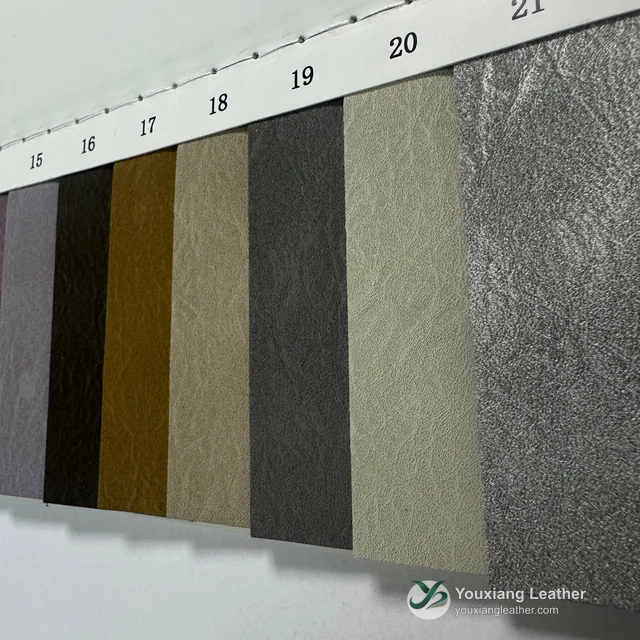
Hongyun Design
YX-042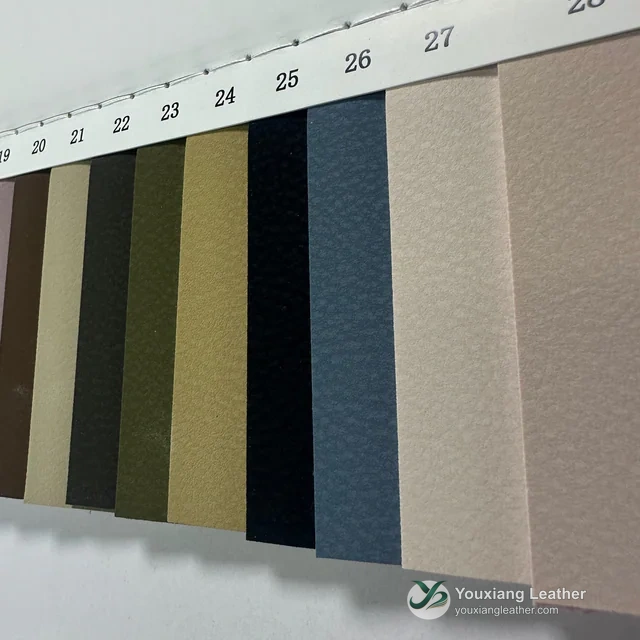
Jingying Design
YX-043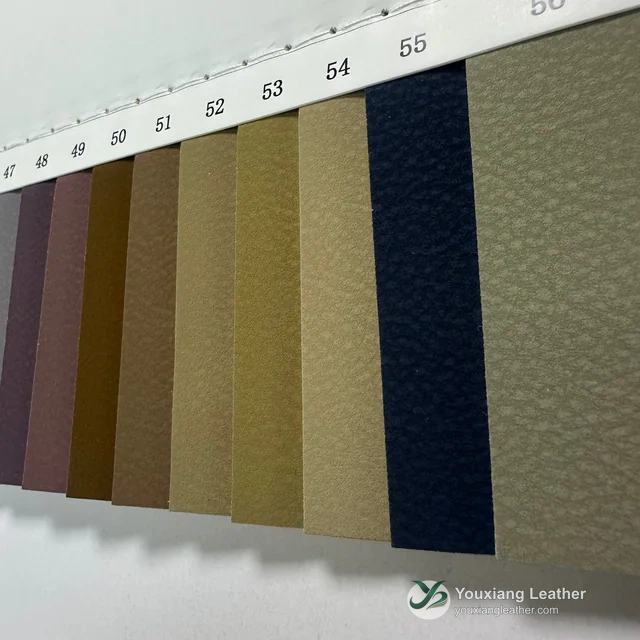
Jingying Design
YX-044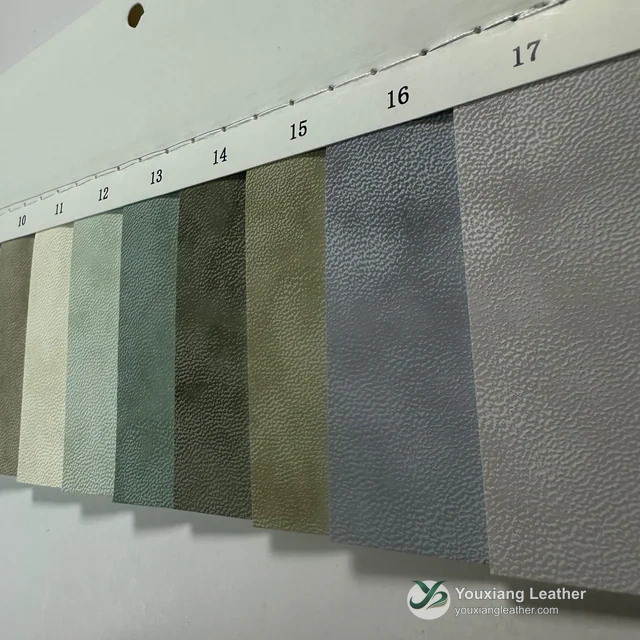
Shangri-La Design
YX-045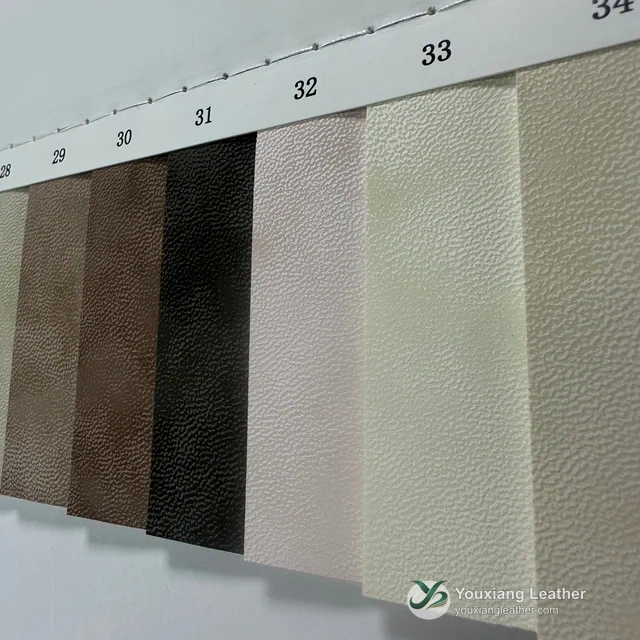
Shangri-La Design
YX-046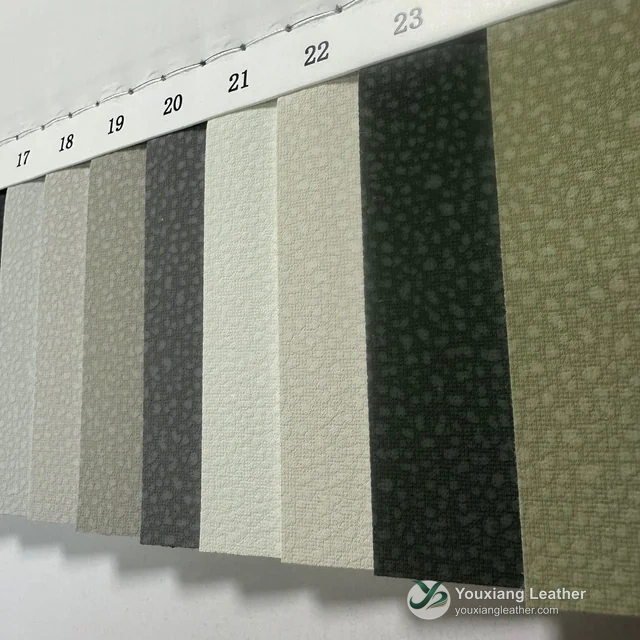
Starlight Design
YX-047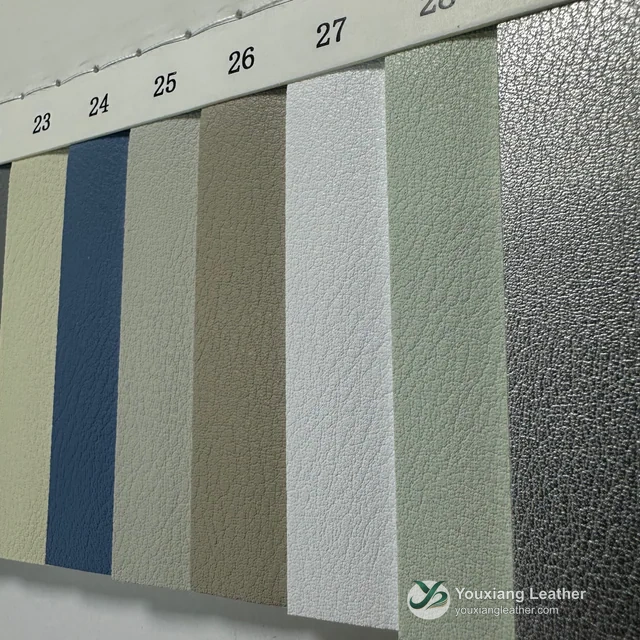
P62
YX-048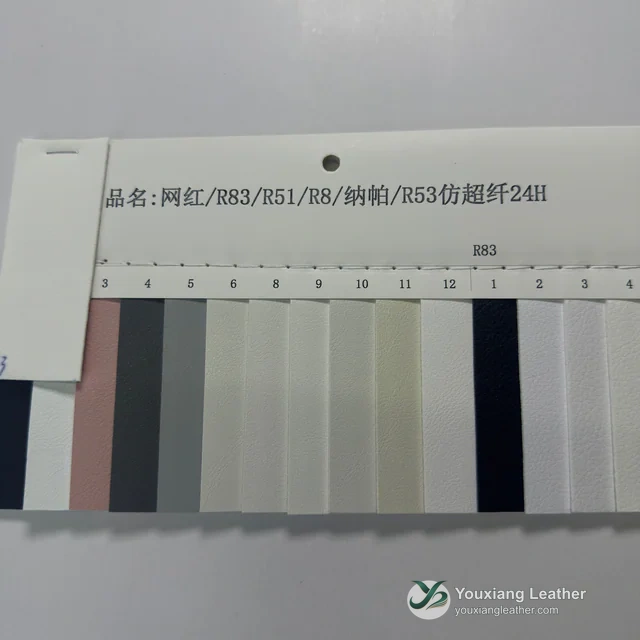
Mixed Pattern Color Card
YX-049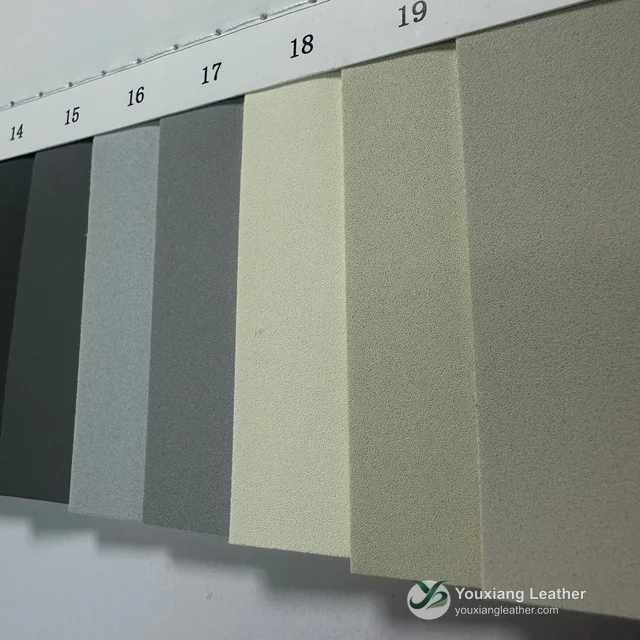
Nubuck-Look Finish
YX-050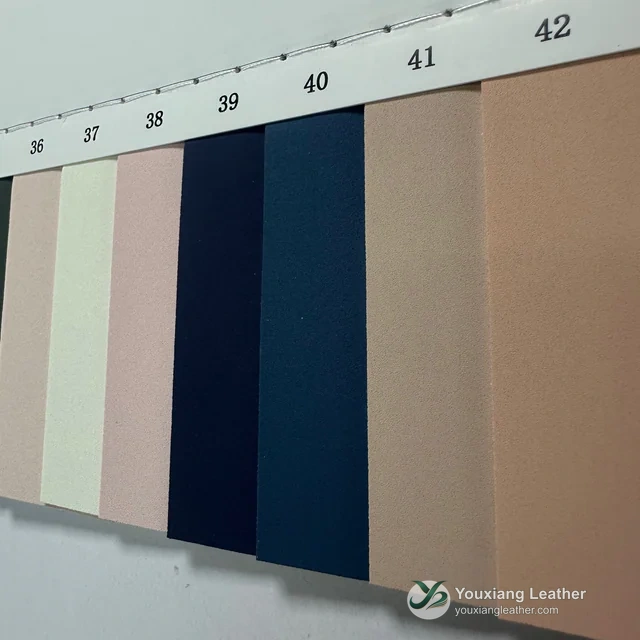
Nubuck-Look Finish
YX-051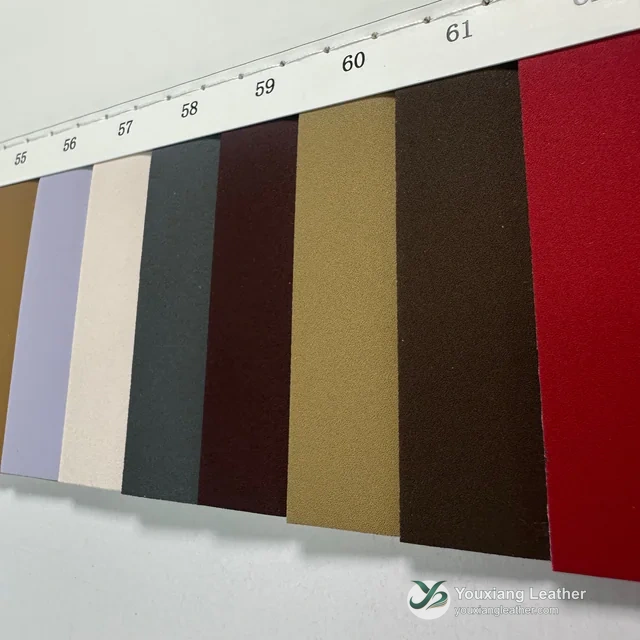
Nubuck-Look Finish
YX-052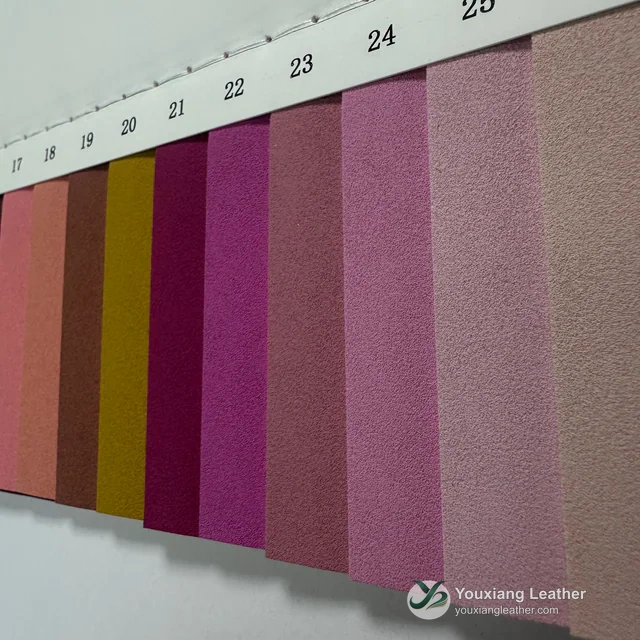
New Nubuck-Look Finish
YX-053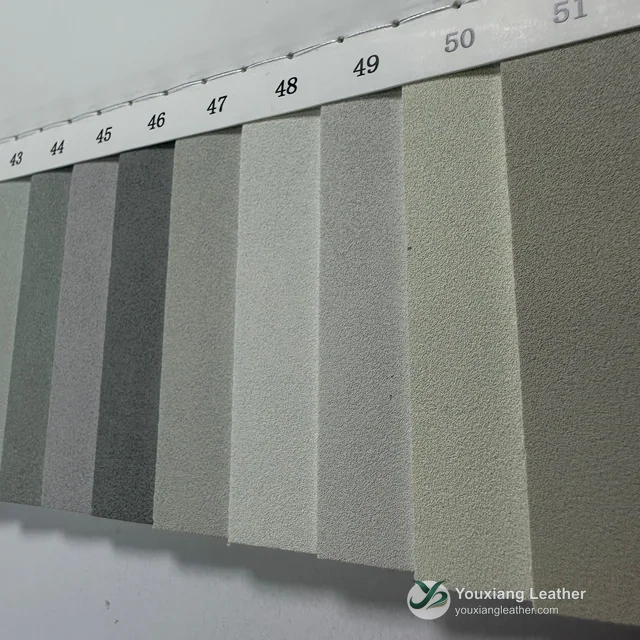
New Nubuck-Look Finish
YX-054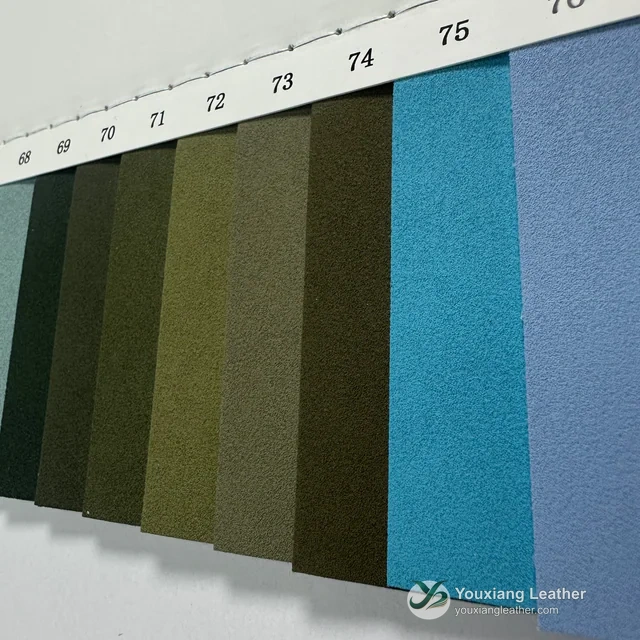
New Nubuck-Look Finish
YX-055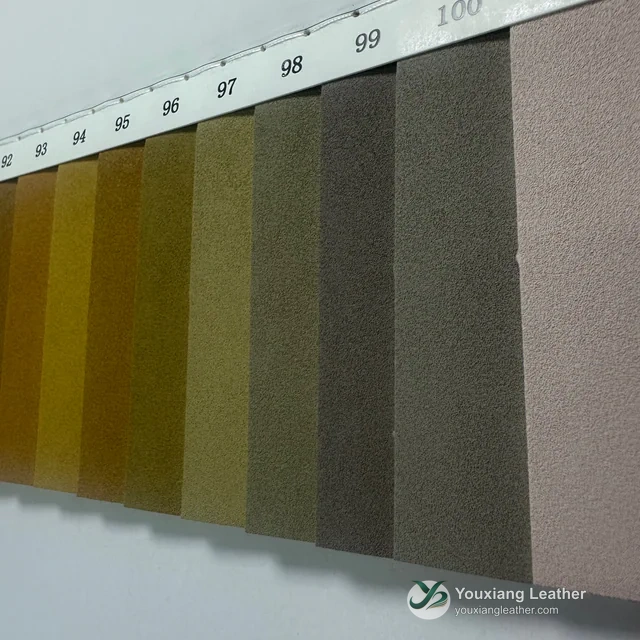
New Nubuck-Look Finish
YX-056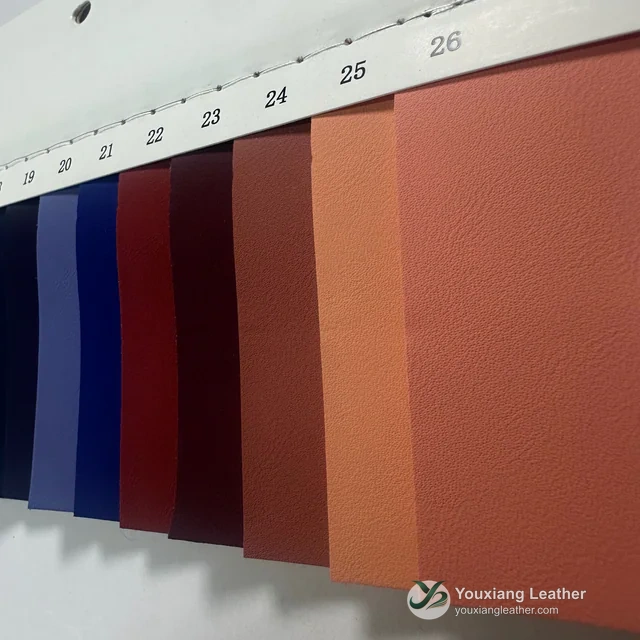
DE-7
YX-057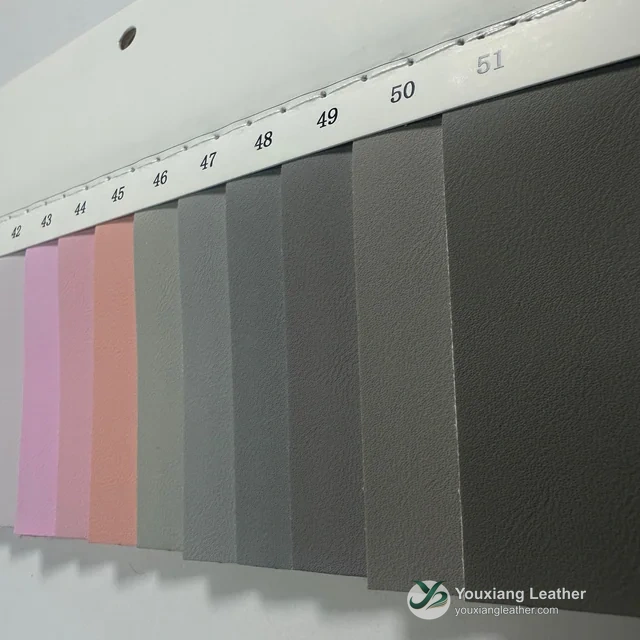
DE-7
YX-058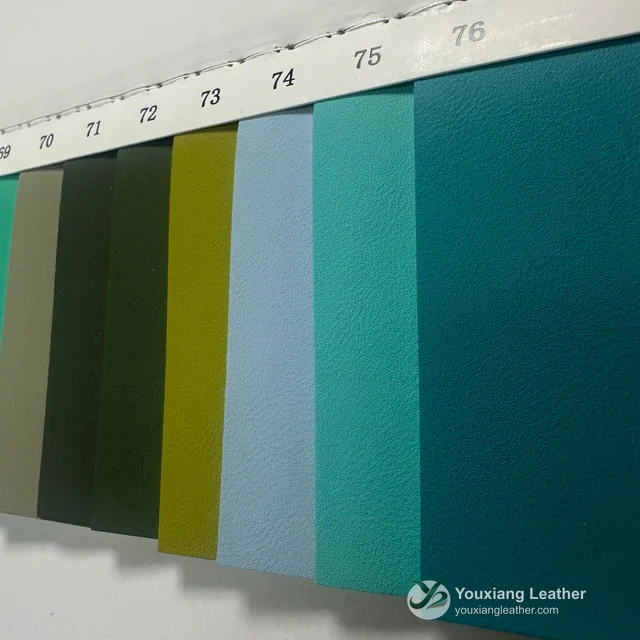
DE-7
YX-059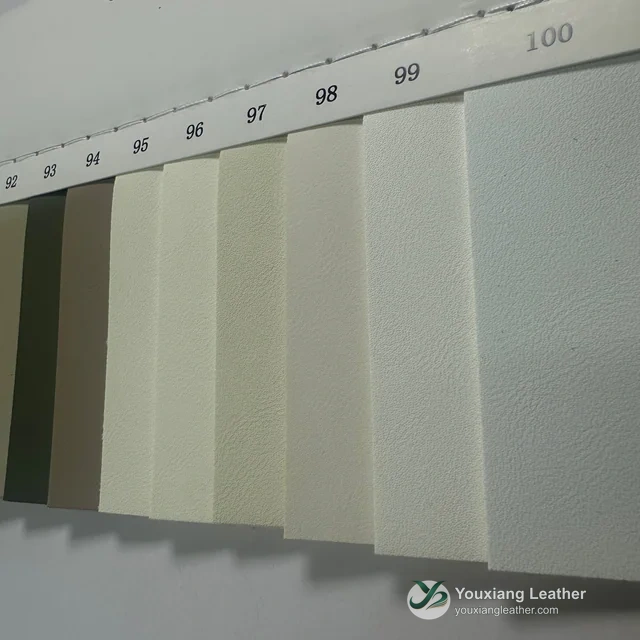
DE-7
YX-060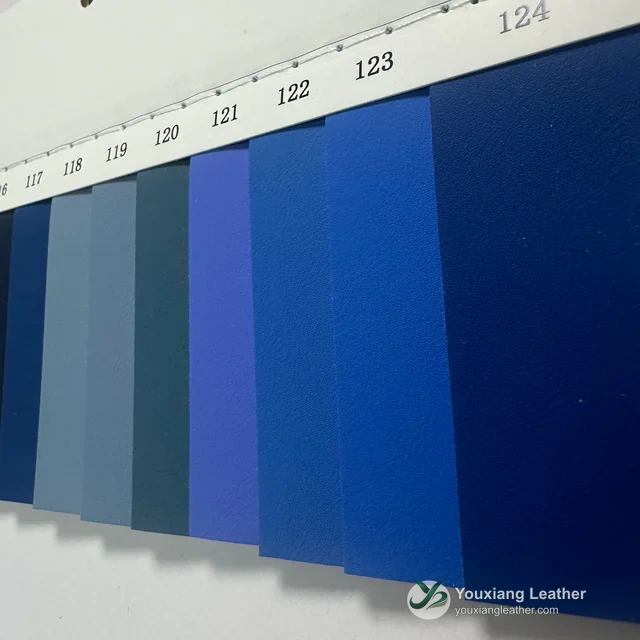
DE-7
YX-061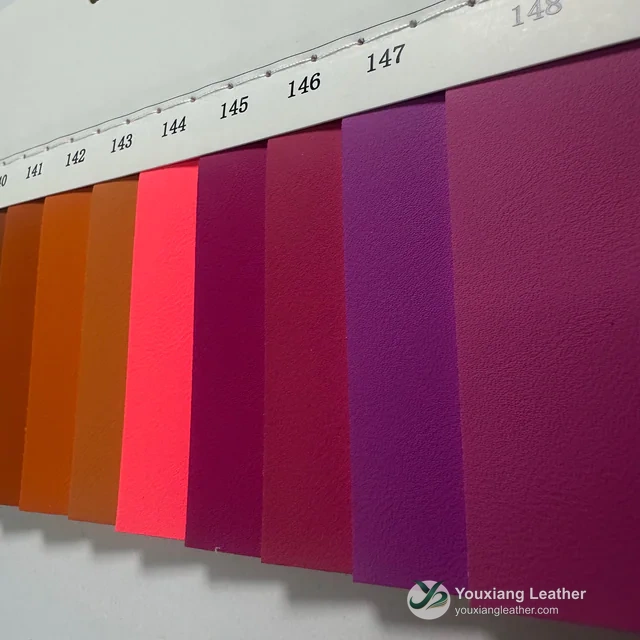
DE-7
YX-062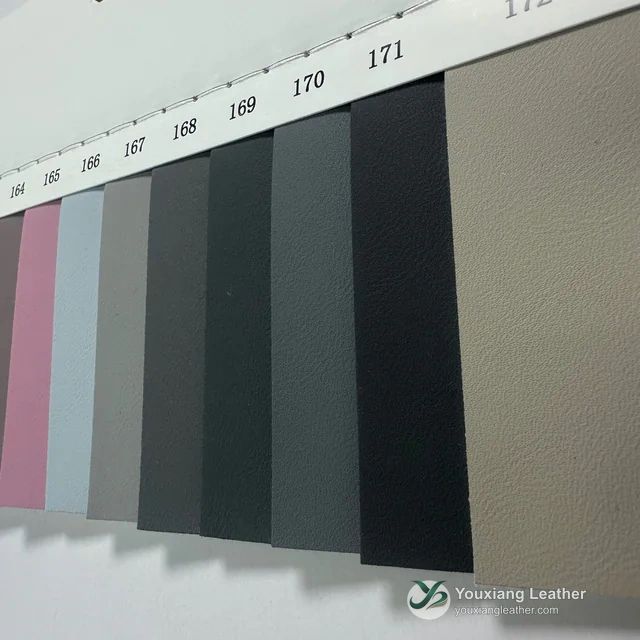
DE-7
YX-063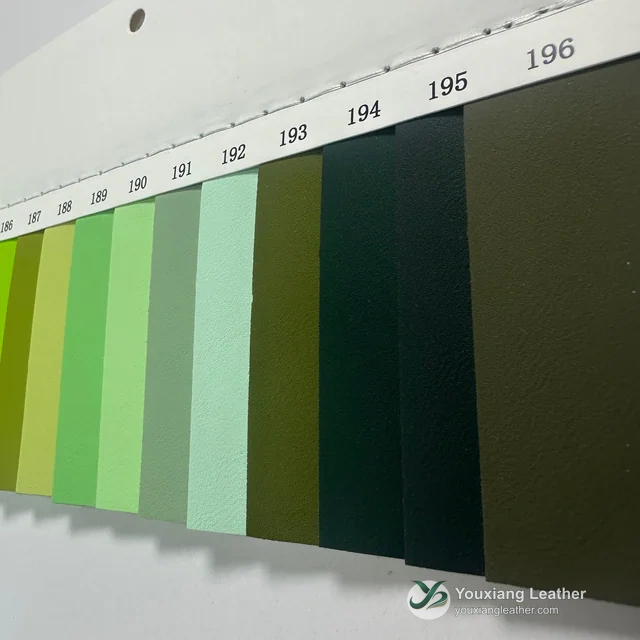
DE-7
YX-064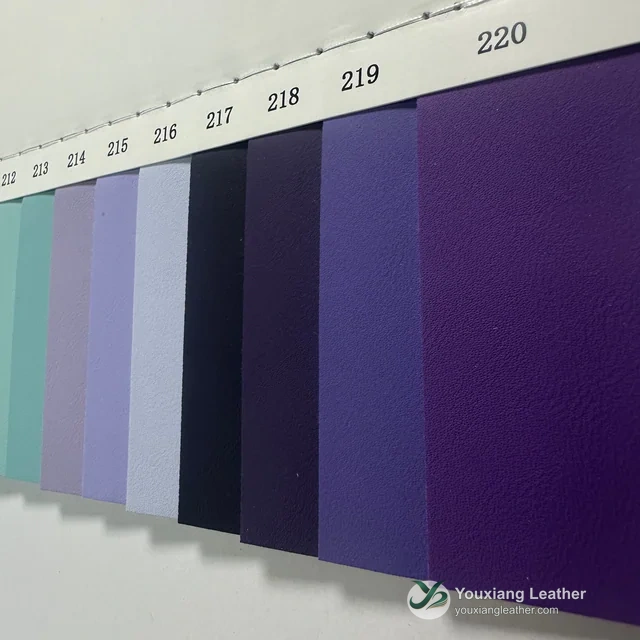
DE-7
YX-065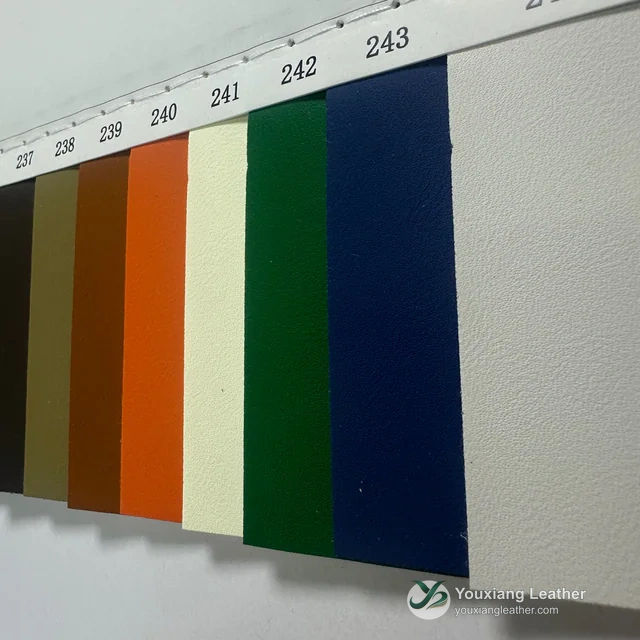
DE-7
YX-066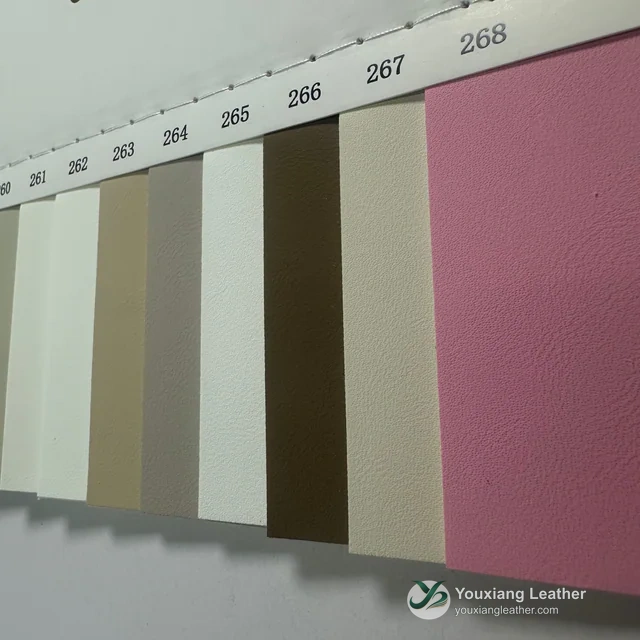
DE-7
YX-067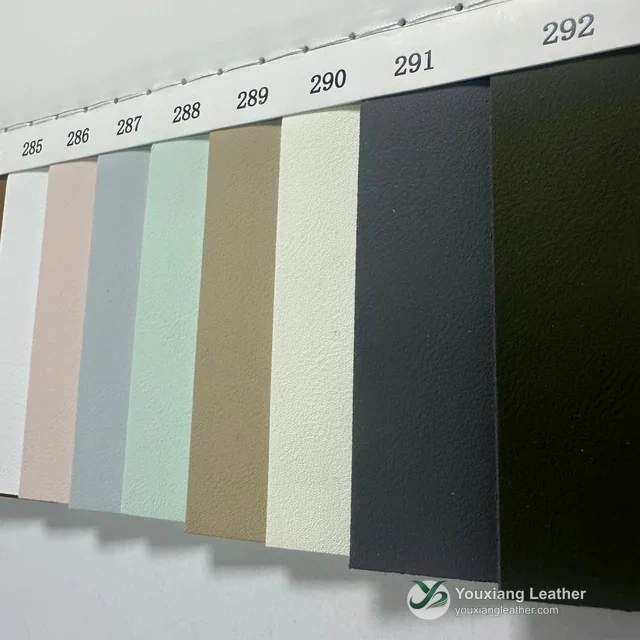
DE-7
YX-068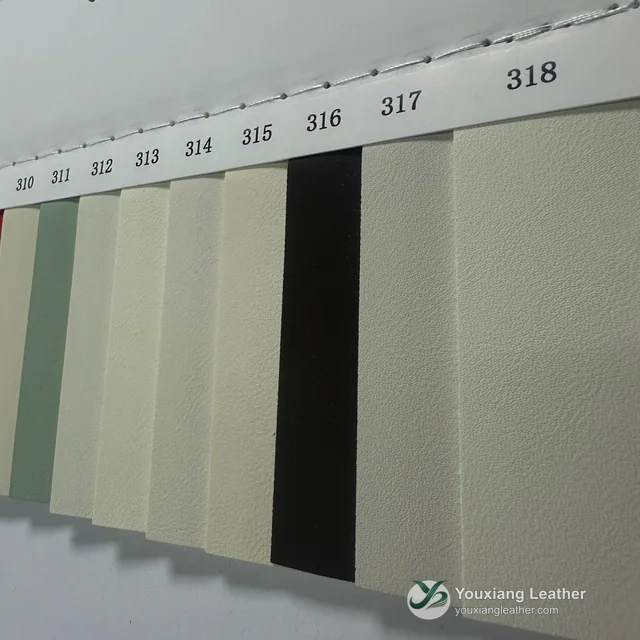
DE-7
YX-069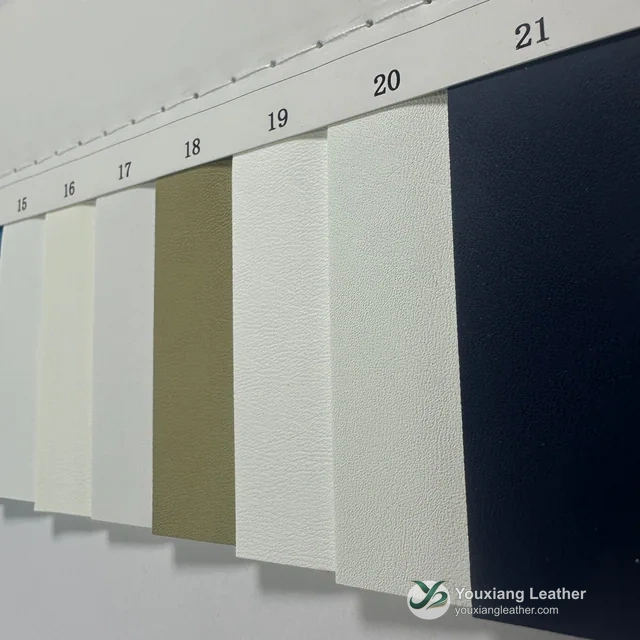
D7
YX-070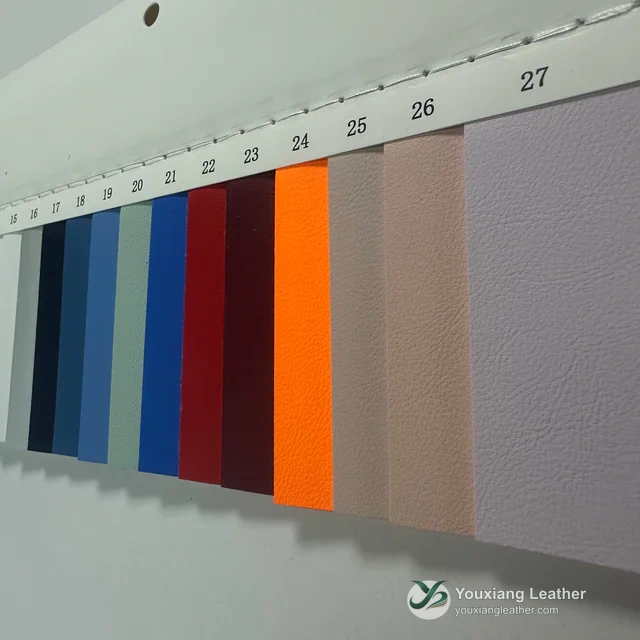
Golden Era Design
YX-071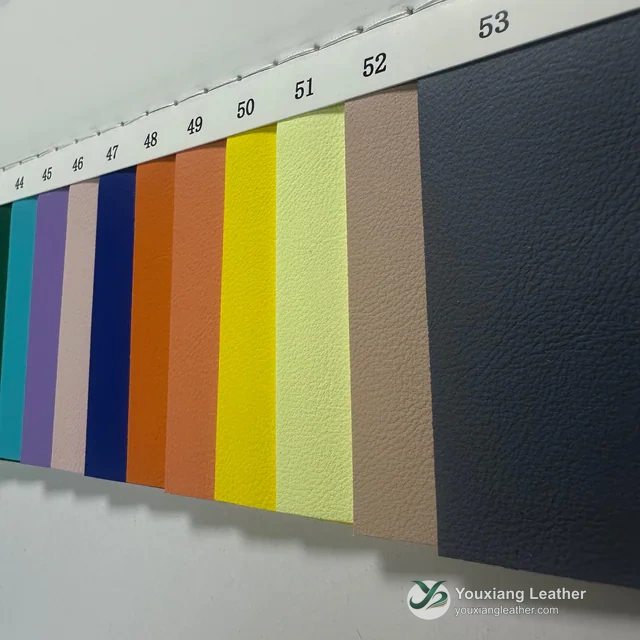
Golden Era Design
YX-072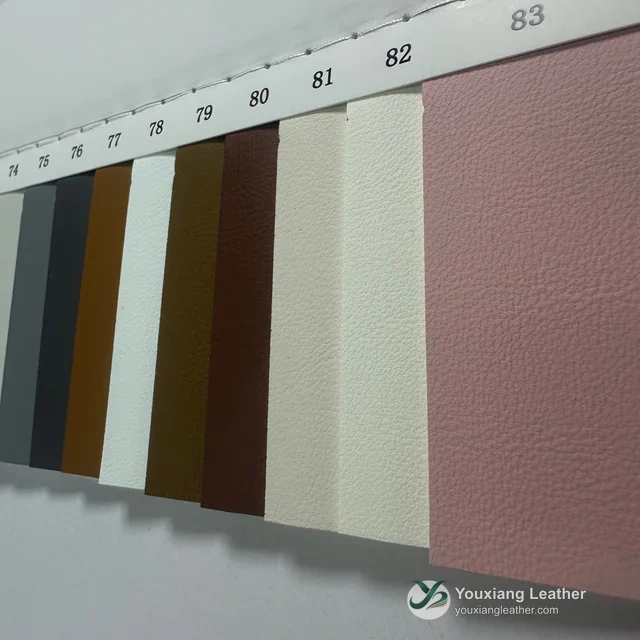
Golden Era Design
YX-073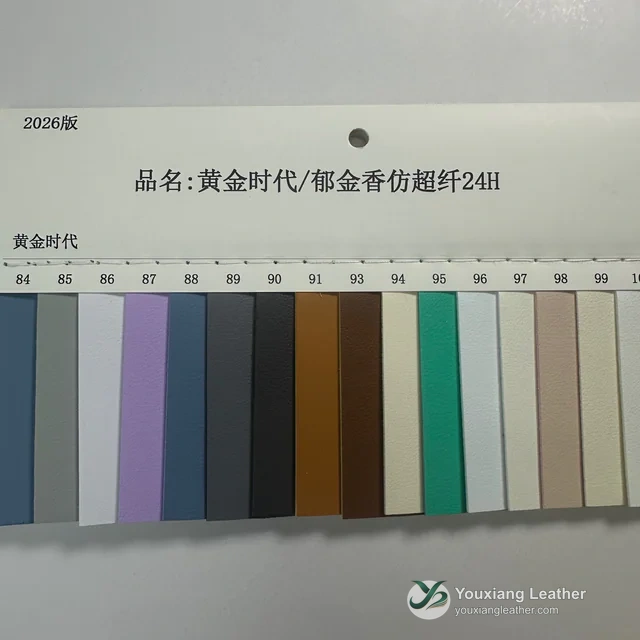
Mixed Pattern Color Card
YX-074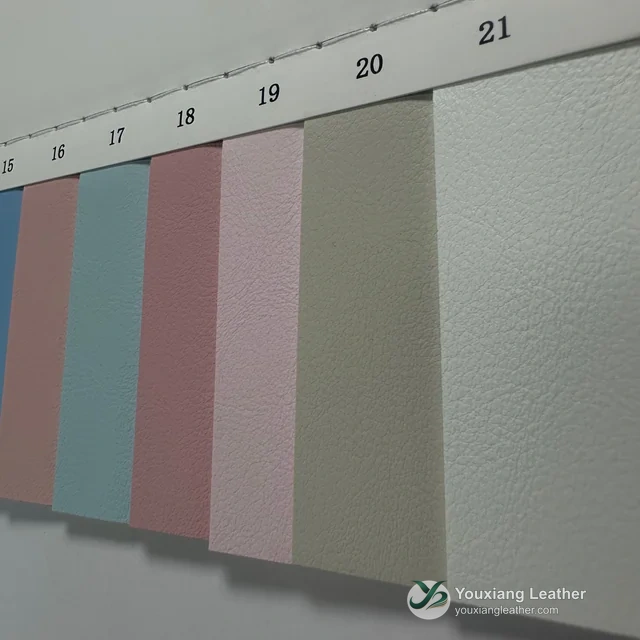
Storm Design
YX-075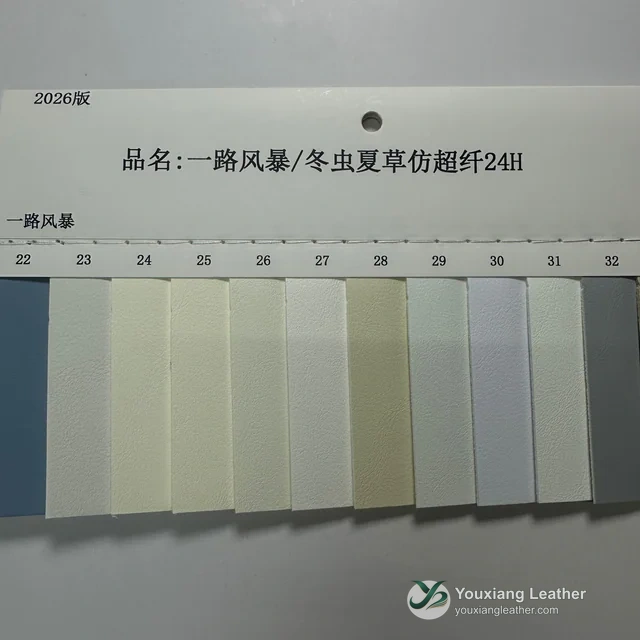
Mixed Pattern Color Card
YX-076No matching color cards. Try another code or pattern name.
About Youxiang / Jinjiang material sourcing
Our shop and family have 20 years of footwear material trading history. Youxiang Leather supplies in-stock stretch PU, imitation microfiber PU and microfiber PU leather in Jinjiang. We help match materials, arrange samples and coordinate sourcing with supply partners. Contact us to confirm codes, colors, thicknesses and available quantities.
Frequently Asked Questions
What is the difference between microfiber and imitation microfiber? Is the name enough to order?
Do not order by name alone. Some documented microfiber materials combine an ultrafine-fiber nonwoven structure with polyurethane, but this is a specific construction example, not proof that every supplier's microfiber is the same. Imitation microfiber does not identify one fixed composition either. The Chinese trade name translated here as imitation microfiber does not, by itself, establish that a material contains ultrafine fibers. Confirm the backing type, known fiber composition, surface layer and any laminated layers for each material, then compare physical samples. Where information is incomplete, record the supplier's name for the material and note that its construction still needs confirmation. A backing photograph is not proof of construction.
Microfiber leather or imitation microfiber PU: how should footwear buyers balance cost and performance?
First define the shoe component, appearance, processing method and performance requirements, then compare quotations and trial results for specific materials. A higher price does not necessarily mean a better fit, and a material name cannot replace performance verification. Confirm the actual backing, coating and laminated construction with the supplier.
Cost: If a particular imitation microfiber material is quoted at a lower price, meets the performance requirements for that shoe component and passes shoe-factory trials, it can be considered as a cost-control option. If an imitation microfiber candidate does not meet the requirements, while a specific microfiber material has relevant test and trial evidence, assess whether the additional budget is justified.
Compare quotations on the same basis: pricing unit, usable width, thickness, surface finish, whether lamination is included, order quantity and delivery terms. A price per yard cannot be compared directly with a price per metre. Even when the pricing unit is the same, check the usable width and supply specification.
Performance: Select the relevant checks for the shoe component and processing requirements, such as tensile and tear strength, strength around needle holes or stitched seams, flex resistance, coating peel adhesion, surface abrasion resistance, colorfastness and hydrolysis resistance. Do not apply the same set of criteria mechanically to every use.
A microfiber material's backing structure and processing behavior are worth evaluating, but the name alone does not guarantee better abrasion resistance, hydrolysis resistance or peel adhesion than another material. Only compare test results directly when the methods, units, specimen directions and conditions, including wet or dry testing and ageing, are comparable. Where comparable test data is unavailable, first identify the key properties that need checking, then verify them using specific candidate samples.
Making the decision: Eliminate candidates that cannot meet the requirements, then compare the total cost of the qualifying options. Alongside the material price, consider lamination costs, cutting yield and shoe-factory trial performance. Before replacing an existing material, validate the specific candidate sample; similar appearance does not establish equivalent performance.
Tell us the shoe component, reference sample, budget and any existing test requirements. We can help compare suitable candidate materials.
Does a material containing PU and nonwoven fabric necessarily count as microfiber?
Those two descriptions are not enough. PU and nonwoven fabric do not fully describe fiber fineness, fiber structure, the location of the PU or the processing method. Ask for the construction from face to back: surface layer, main backing, bonding or lamination layer, and any additional backing. Also confirm whether the supplied material is unlaminated or already laminated. Samples, quotations and orders should use the same construction description. A similar-looking laminate should not be assumed equivalent to the original sample.